Artists
Marina BaiselAtelier MartisThibeau ScarcériauxSfossilsAlena MukhinaSofia KarnukaevaLumi UniNitush-ArooshIra BoykoMomoka GomiZlata KornilovaDROZHDINIAdriana MeuniéAlexandra VolskayaSee allArtists
Marina BaiselAtelier MartisThibeau ScarcériauxSfossilsAlena MukhinaSofia KarnukaevaLumi UniNitush-ArooshIra BoykoMomoka GomiZlata KornilovaDROZHDINIAdriana MeuniéAlexandra VolskayaSee allPrivacy overview
- Privacy overview
- Strictly necessary cookies
- 3rd party cookies
- Additional cookies
Privacy overview
Strictly necessary cookies
3rd party cookies
Additional cookies
Strictly Necessary Cookies
Strictly Necessary Cookie should be enabled at all times so that we can save your preferences for cookie settings.
Disable
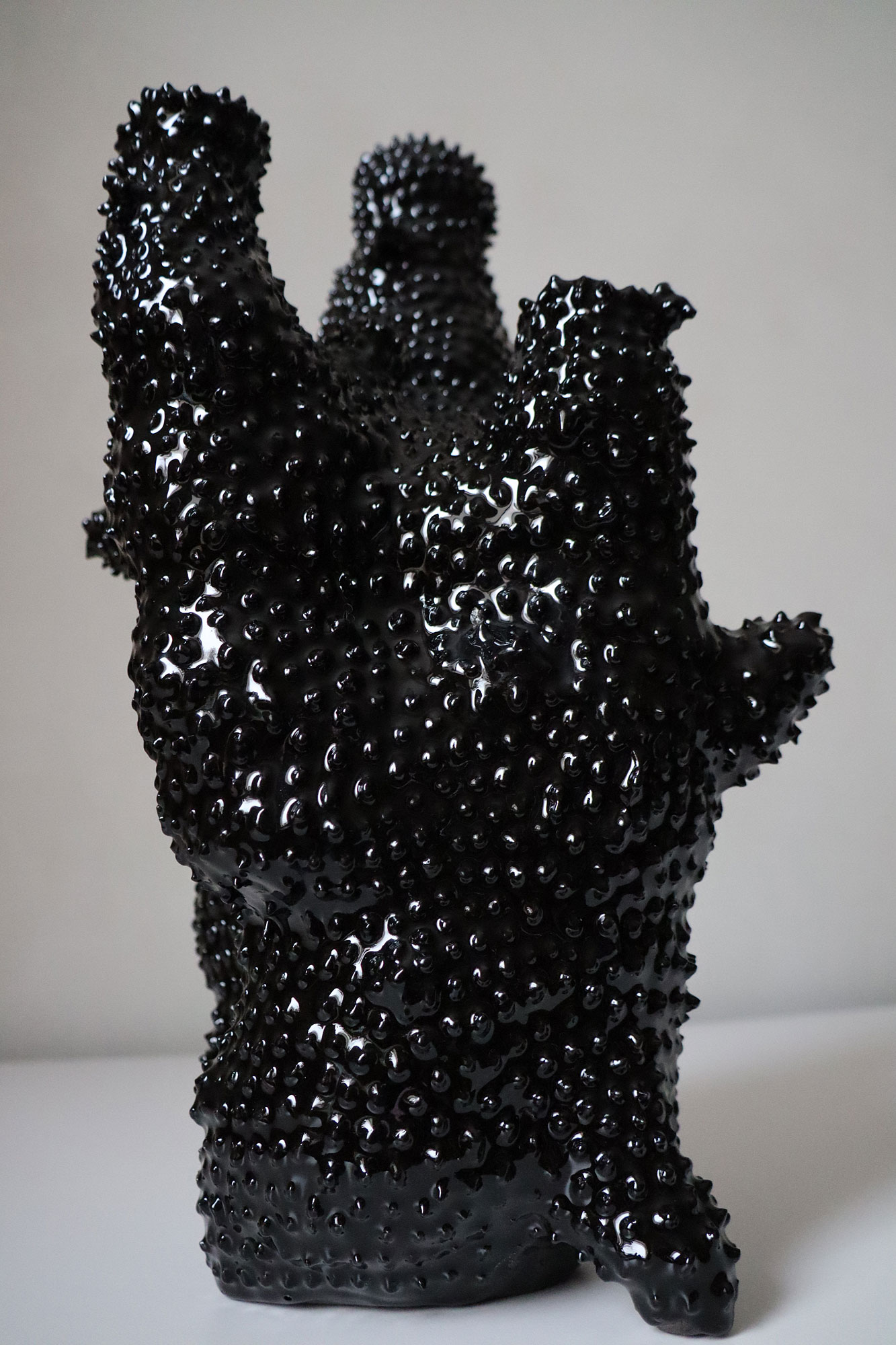
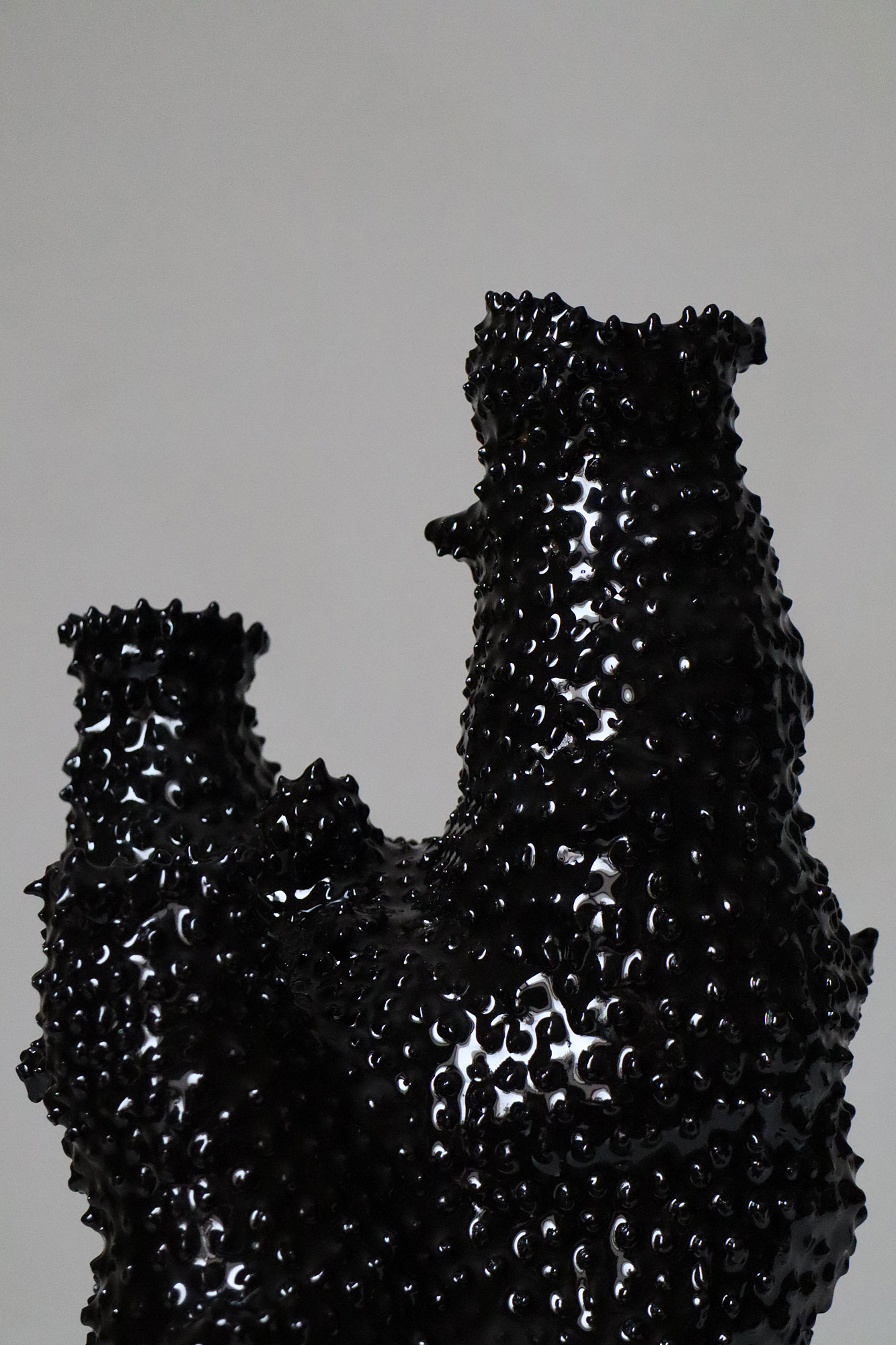
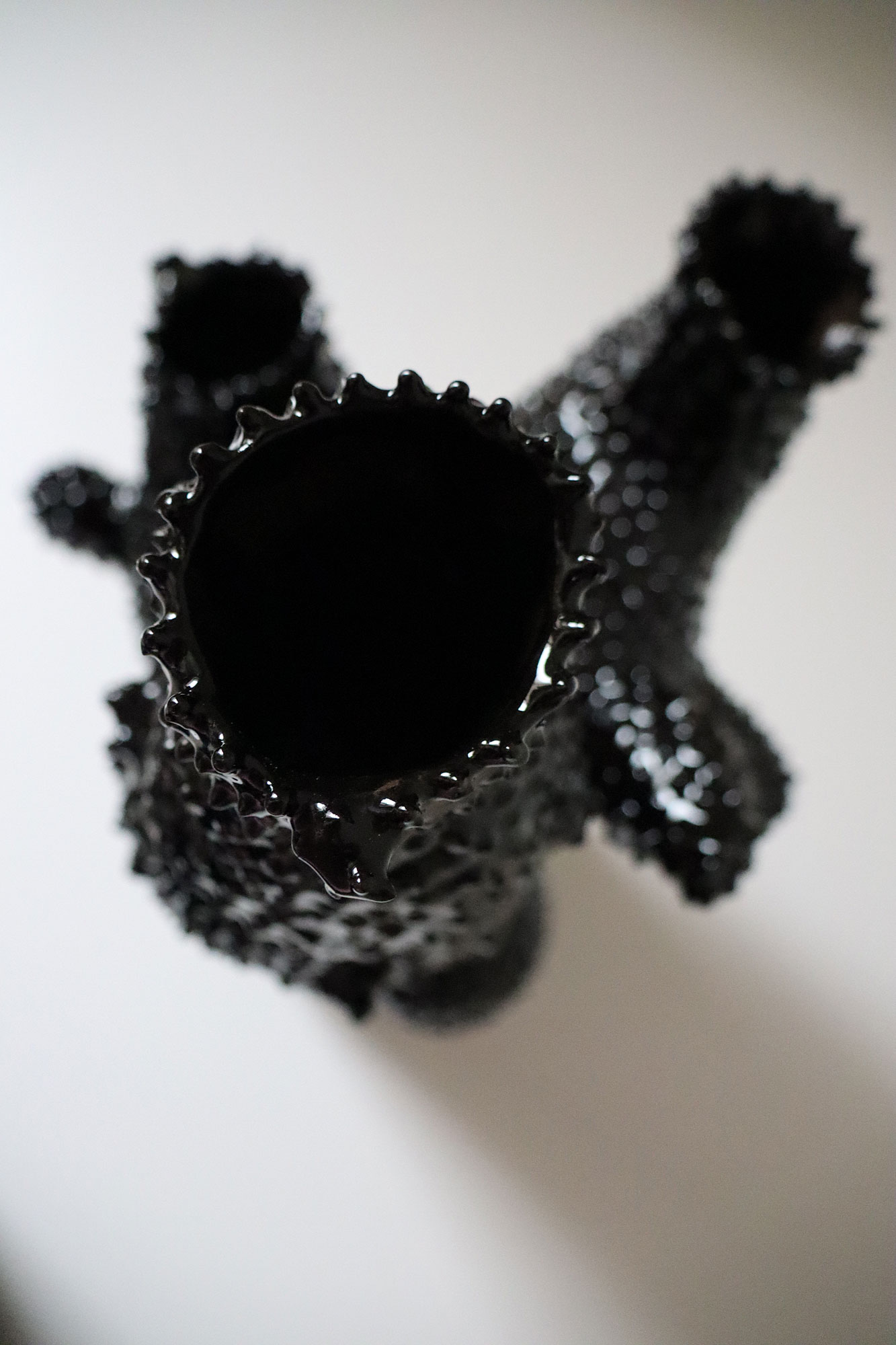
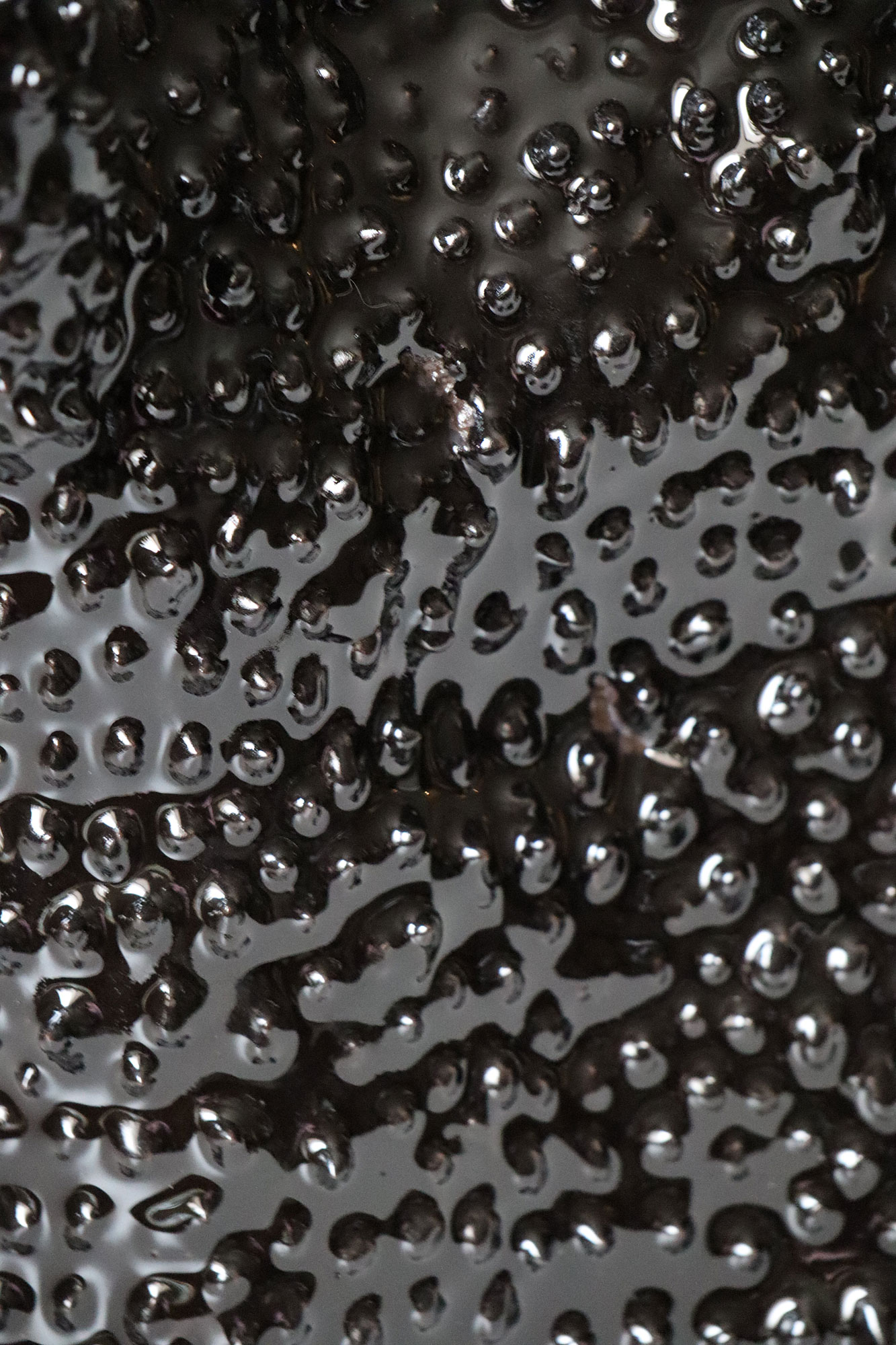
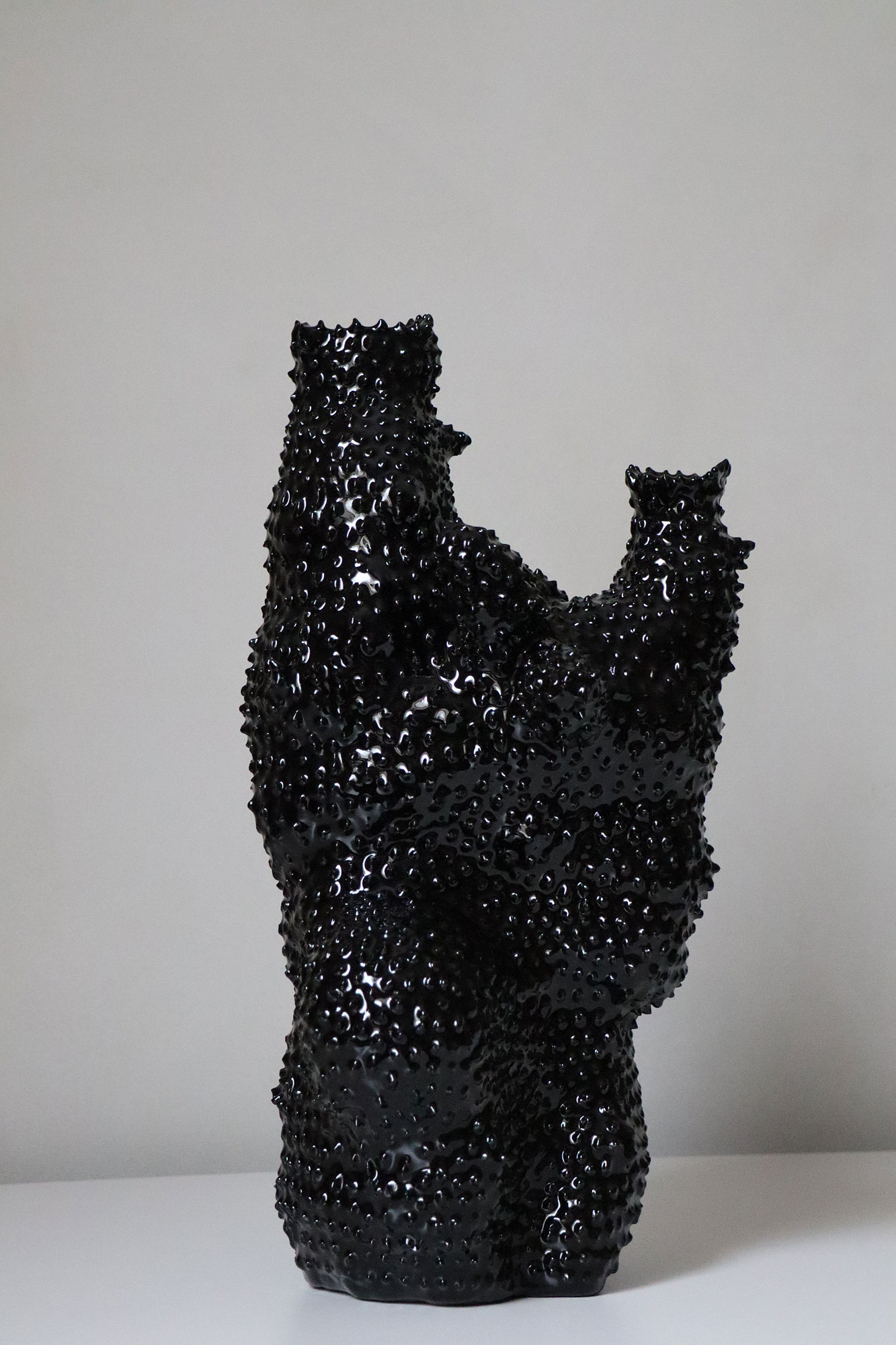
Cloud of Ants, Vessel
Lumi UniPrice upon request
Lumi Uni is a ceramic artist working with porcelain, graphics, video, and mixed media. A graduate of the Stieglitz Academy, she explores ephemeral, poetic narratives through her installations.
Her series reflects on the interplay between human and nature. She interprets nature as a powerful force demanding respect. In her work, the vessel symbolizes the human world, while moss marks the overwhelming presence of the wild—bridging consciousness and the untamed subconscious.
Details
Material
Ceramic body, glaze
Dimensions
H46 × 22 cm
Delivery
We deliver across the EU and UK. Shipping costs are calculated individually after your order and confirmed by our team. For other destinations, delivery may be arranged upon request.
We recommend insured shipping; NM Art & Design is not liable for transit damages without insurance.
More details in our Delivery Policy.
Have questions? Contact us
Cloud of Ants, Vessel
Price upon request
Have questions? Contact us
Lumi Uni is a ceramic artist working with porcelain, graphics, video, and mixed media. A graduate of the Stieglitz Academy, she explores ephemeral, poetic narratives through her installations.
Her series reflects on the interplay between human and nature. She interprets nature as a powerful force demanding respect. In her work, the vessel symbolizes the human world, while moss marks the overwhelming presence of the wild—bridging consciousness and the untamed subconscious.
Details
Material
Ceramic body, glaze
Dimensions
H46 × 22 cm
About Artist
Download сatalogue
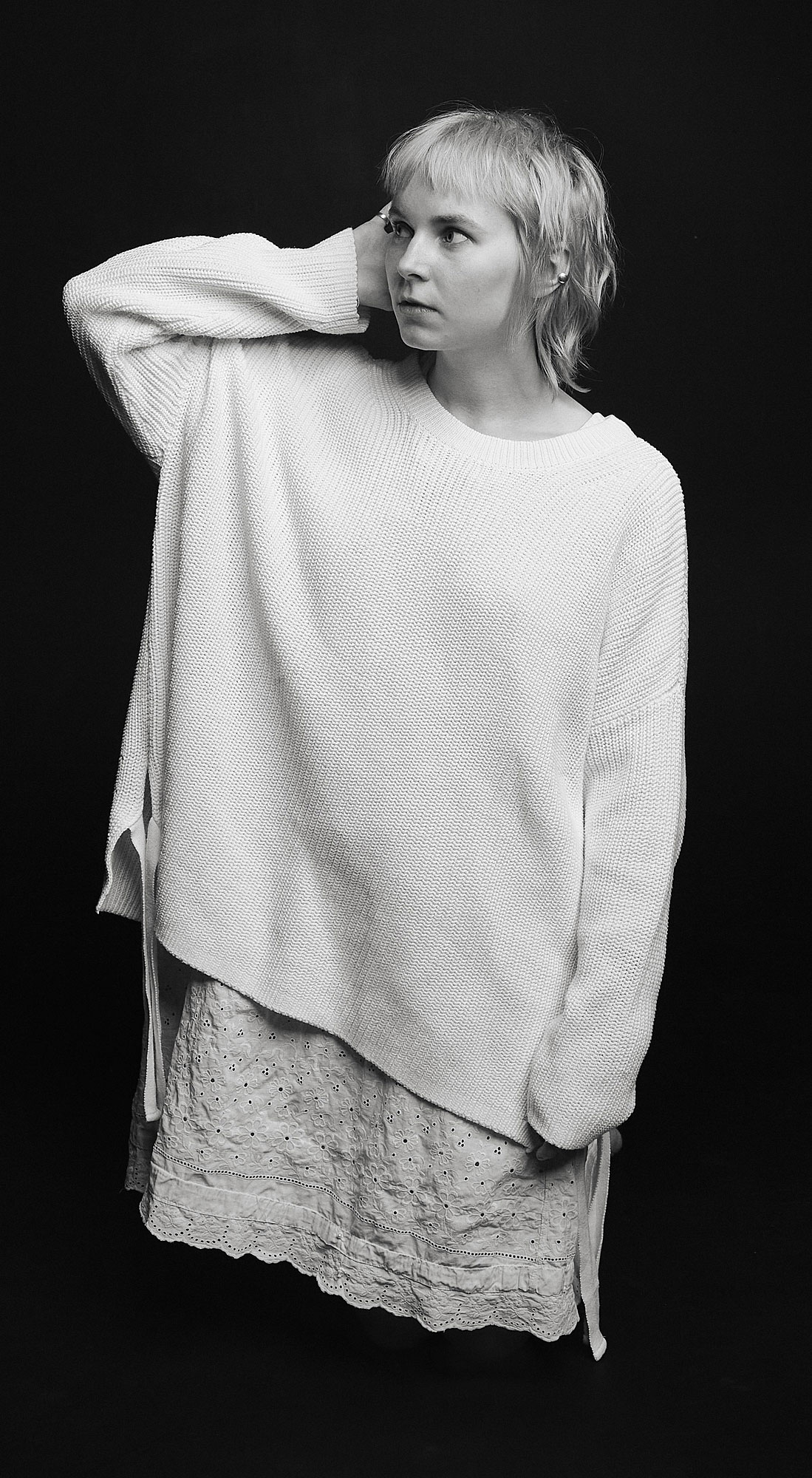
Lumi Uni, also known as Anna Slobozhanina, is a captivating artist from Russia who currently resides in St. Petersburg. Her pseudonym, which translates from Karelian as “snow dream,” reflects a delicate and ethereal quality that permeates her work. Lumi Uni specializes in ceramics, primarily focusing on sculpture, installation, and art crafts. She frequently employs the naked clay technique, which highlights the inherent beauty of the material and draws attention to form and texture. Her artistic practice is deeply inspired by the natural interconnections found within the enchanting northern forest. Through her work, she constructs a mythical universe populated by imaginative artifacts and creatures, inviting viewers to explore a realm where the sense of touch becomes a primary means of communication and understanding.
In her distinctive creations, viewers can identify elements drawn from nature, such as rugged rocks, lush mosses, serene lakes, and industrious anthills, all intricately woven into her sculptures. These organic inspirations allow her to forge a visceral connection between her art and the environment.
Lumi Uni’s sculptural ceramics inhabit a dreamlike terrain shaped by touch, texture, and myth. Working primarily with naked clay, she allows the raw beauty of the material to speak — its surface unglazed, its form grounded in the quiet language of the forest. Her works evoke the hidden life of the northern wilderness: stones warmed by sun, moss-covered mounds, silent lakes, and the intricate labor of unseen creatures.
Through these elemental forms, Lumi Uni constructs a personal mythology — an imagined world where human and nature, memory and material, converge. Her sculptures feel like unearthed relics from a parallel reality, inviting viewers into a tactile dialogue where presence is felt more than explained. In this universe, shaped by the rhythms of nature and the slowness of handwork, the act of seeing becomes sensorial — almost instinctive.