Artists
Marina BaiselAtelier MartisThibeau ScarcériauxSfossilsAlena MukhinaSofia KarnukaevaLumi UniNitush-ArooshIra BoykoMomoka GomiZlata KornilovaDROZHDINIAdriana MeuniéAlexandra VolskayaSee allArtists
Marina BaiselAtelier MartisThibeau ScarcériauxSfossilsAlena MukhinaSofia KarnukaevaLumi UniNitush-ArooshIra BoykoMomoka GomiZlata KornilovaDROZHDINIAdriana MeuniéAlexandra VolskayaSee allPrivacy overview
Privacy overview
Strictly necessary cookies
3rd party cookies
Additional cookies
Strictly Necessary Cookies
Strictly Necessary Cookie should be enabled at all times so that we can save your preferences for cookie settings.
Disable
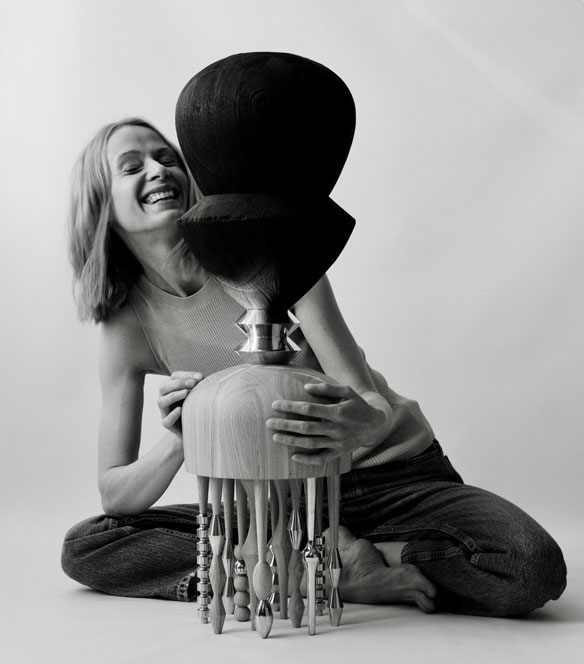
Zlata Kornilova
Nizhny Novgorod, Russia
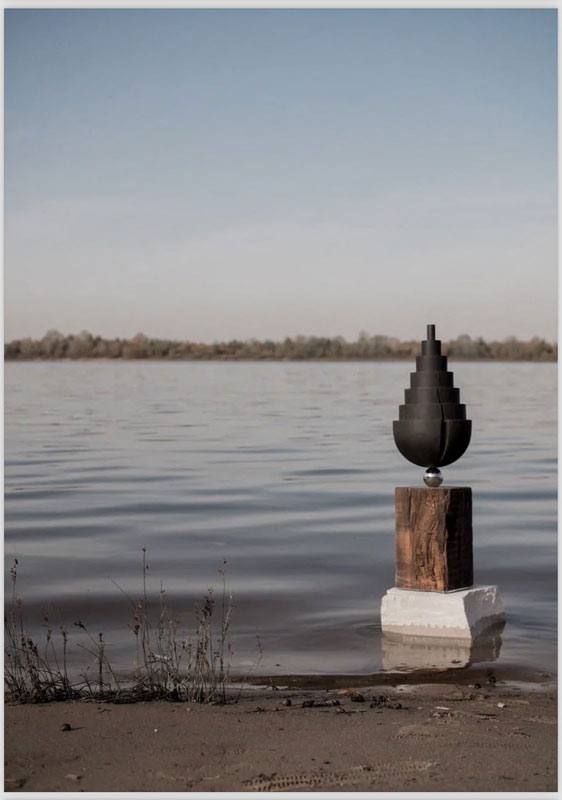
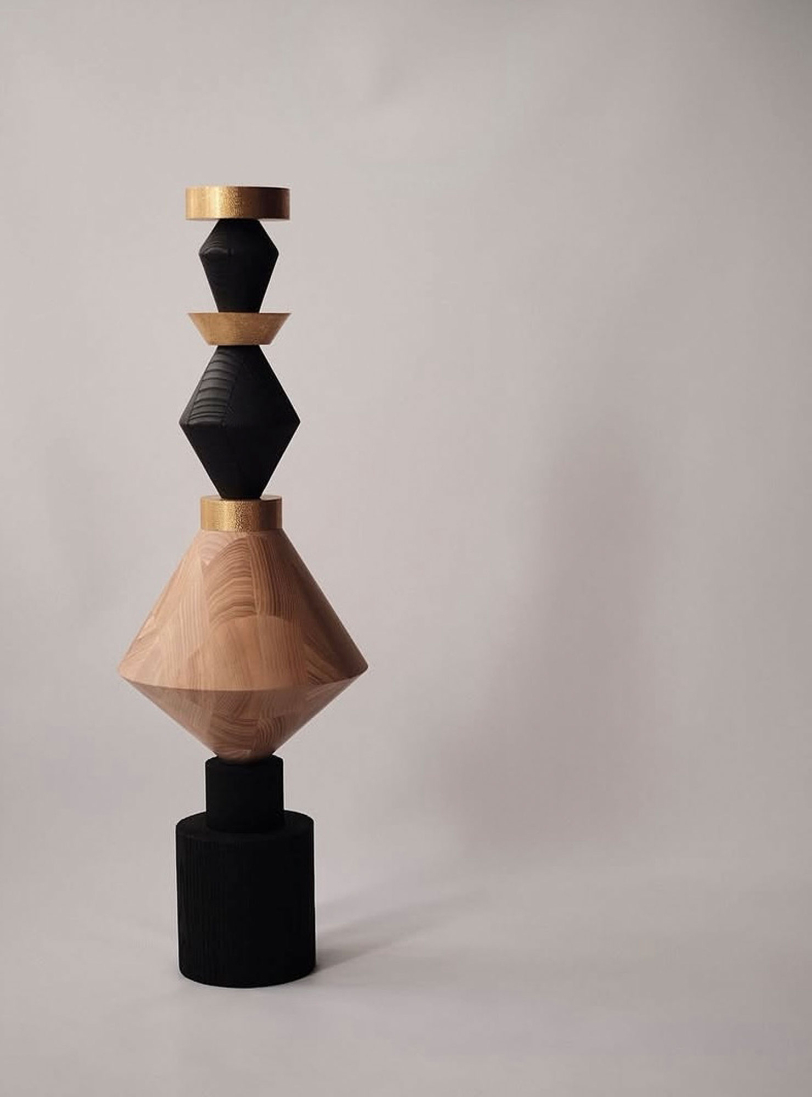
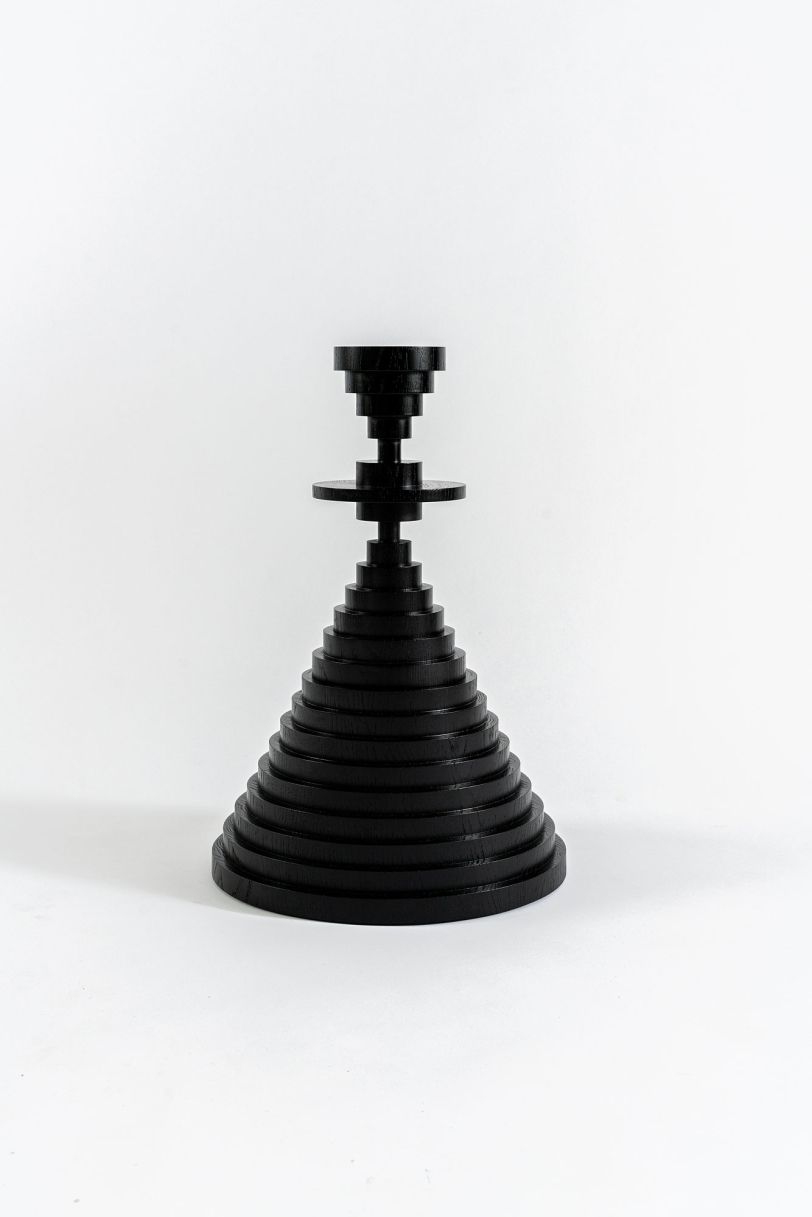
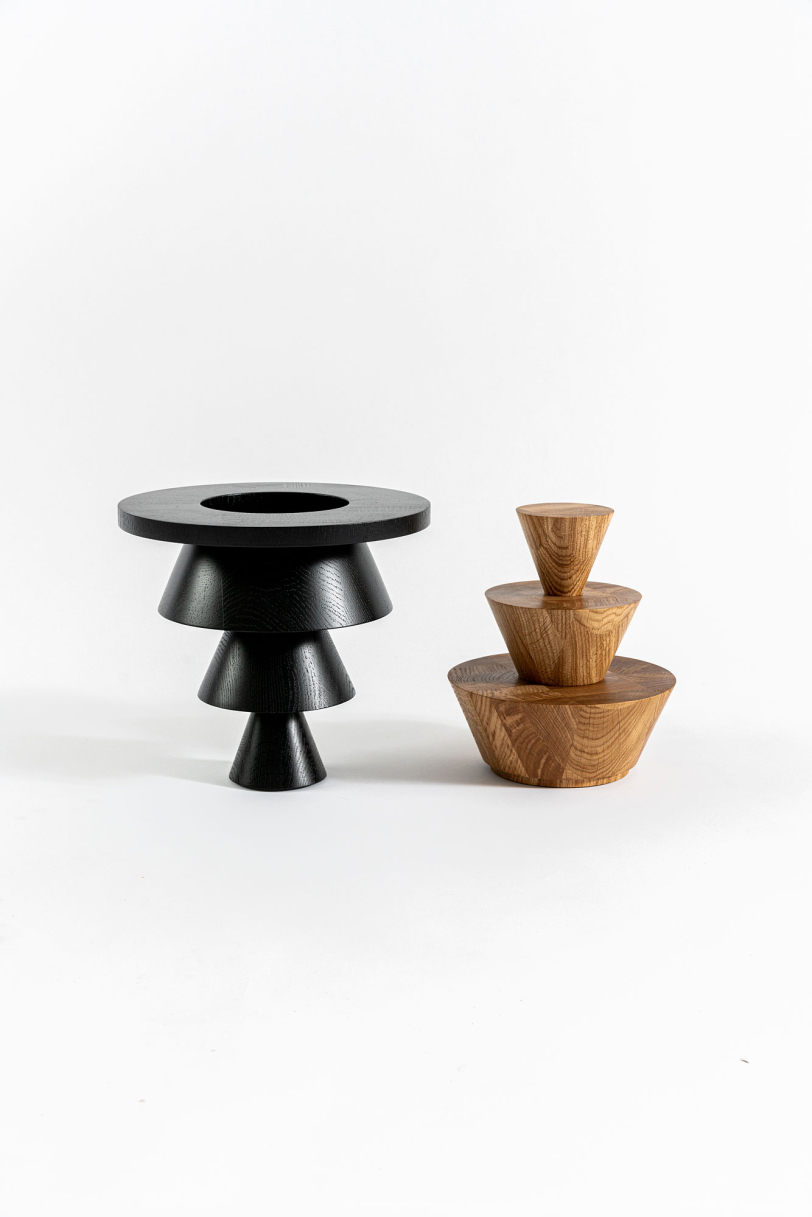
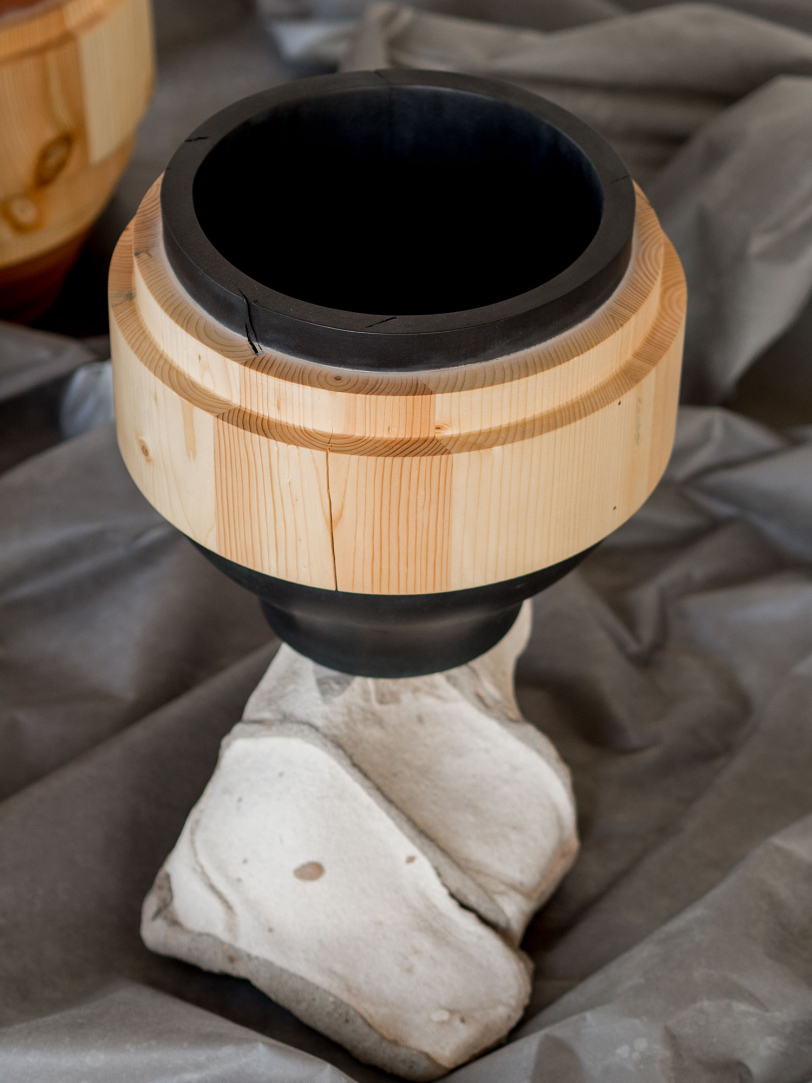
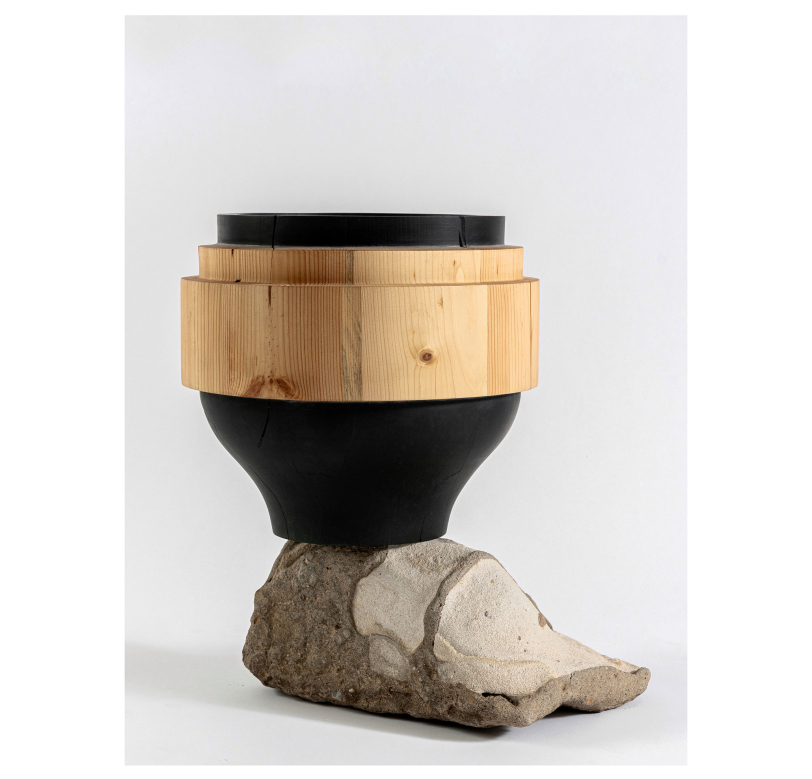
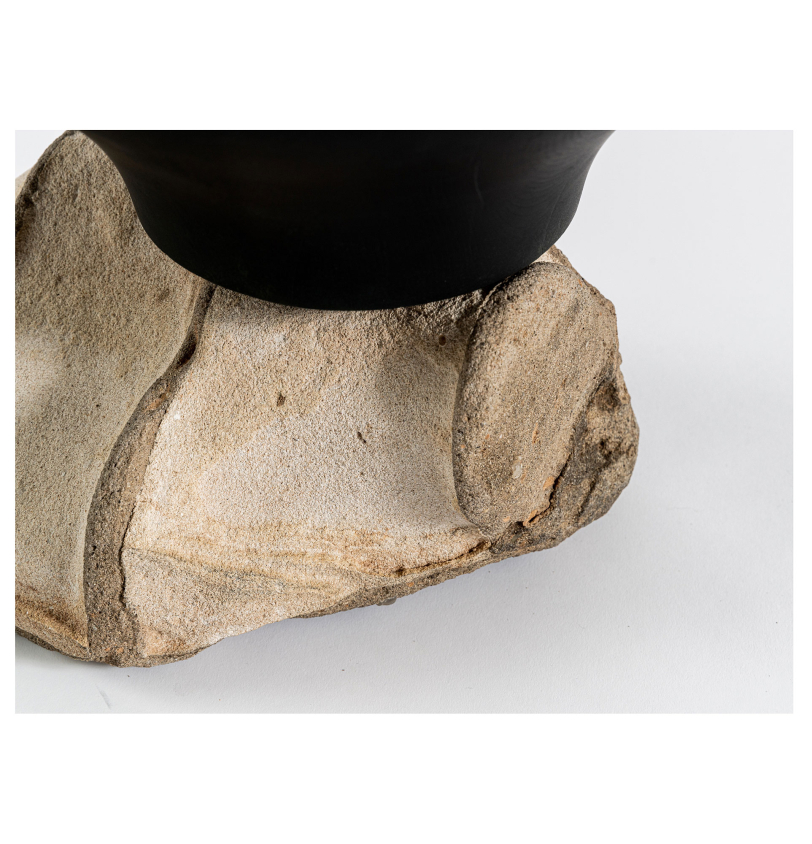
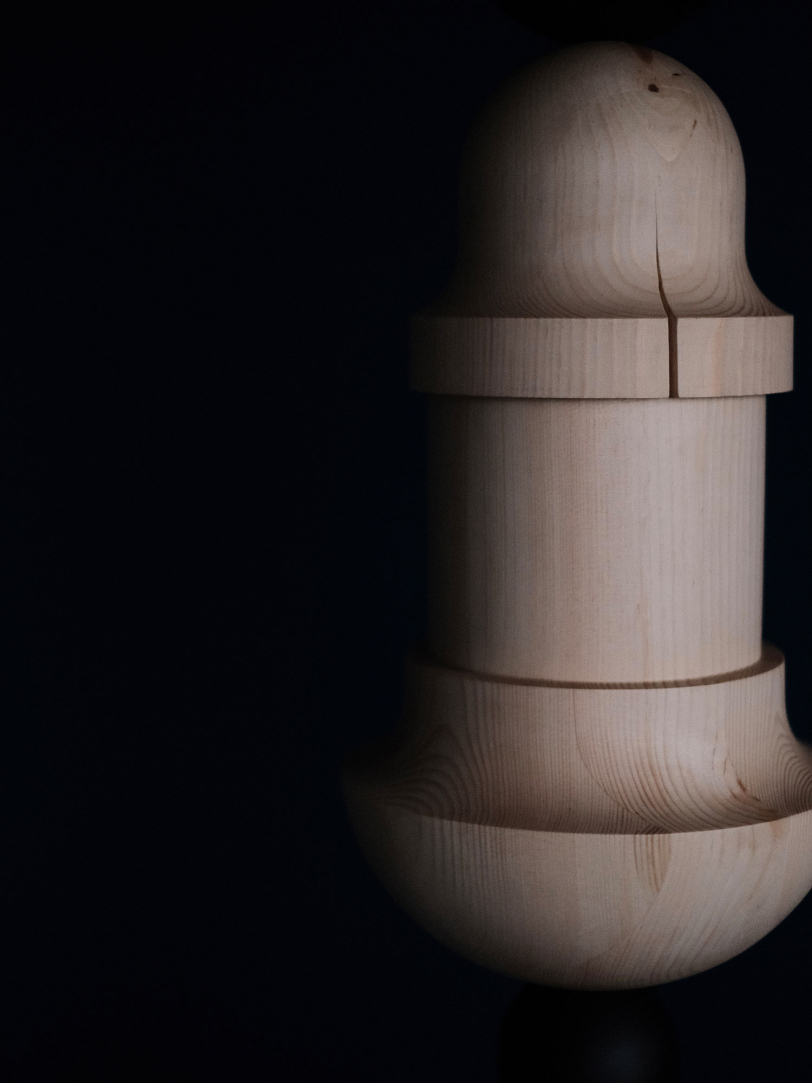
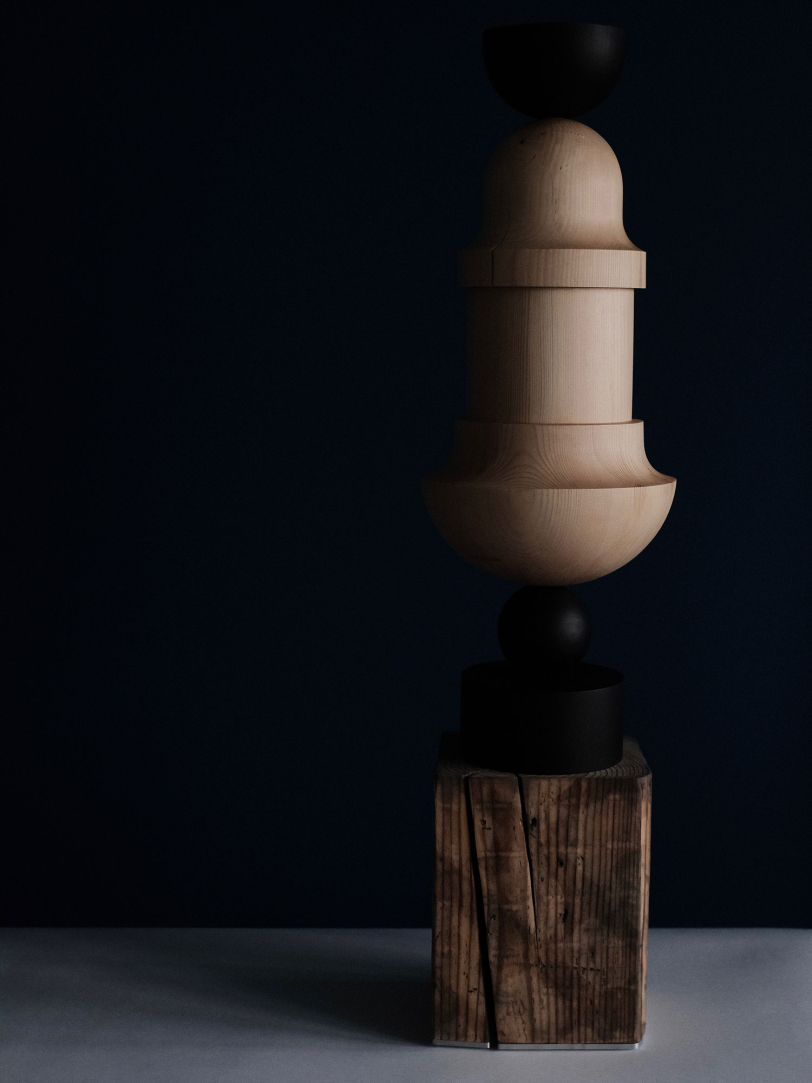
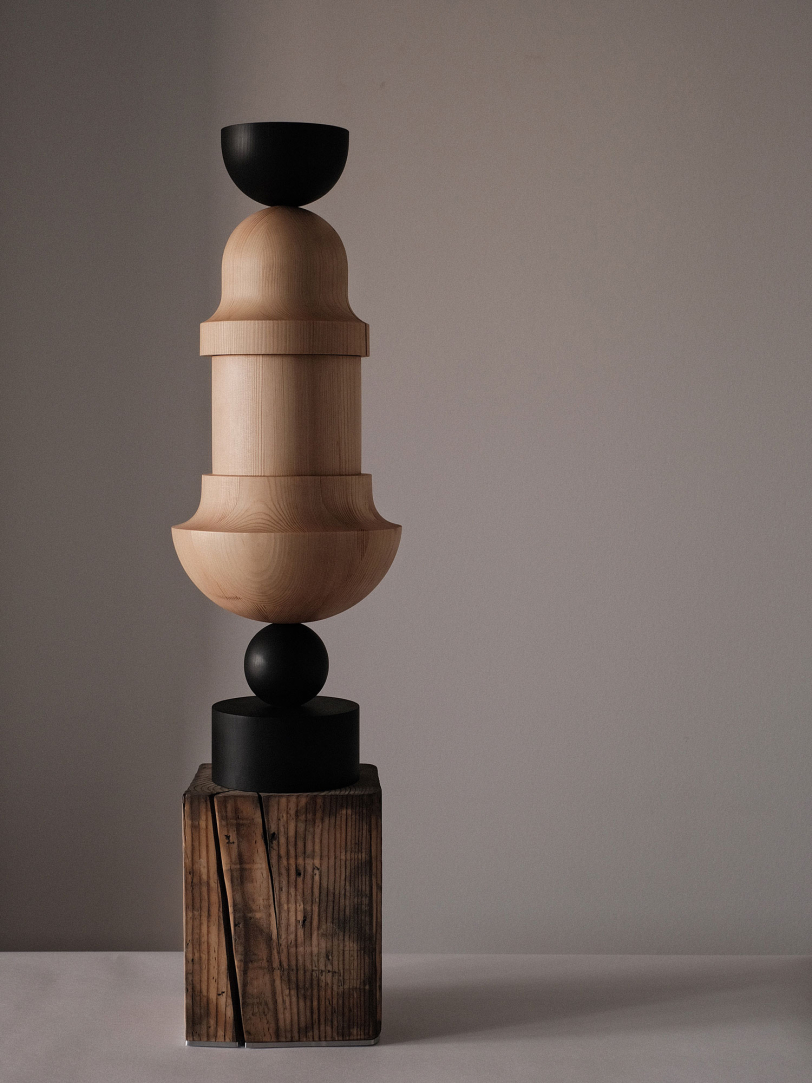
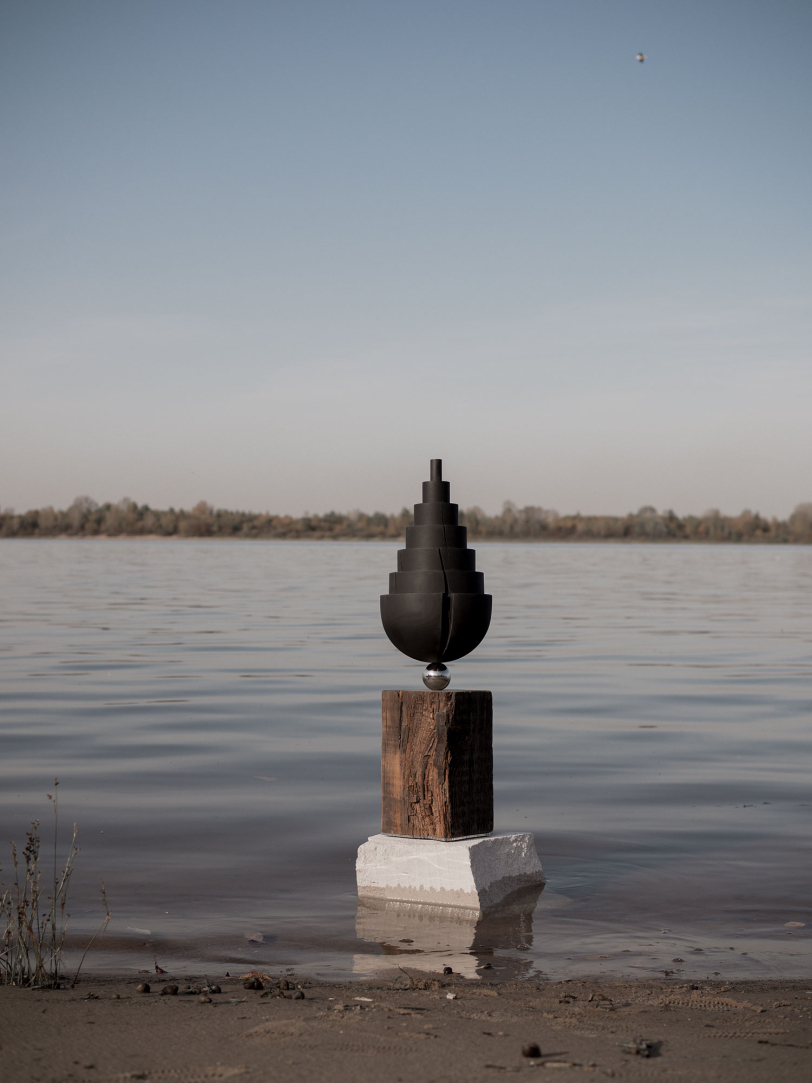
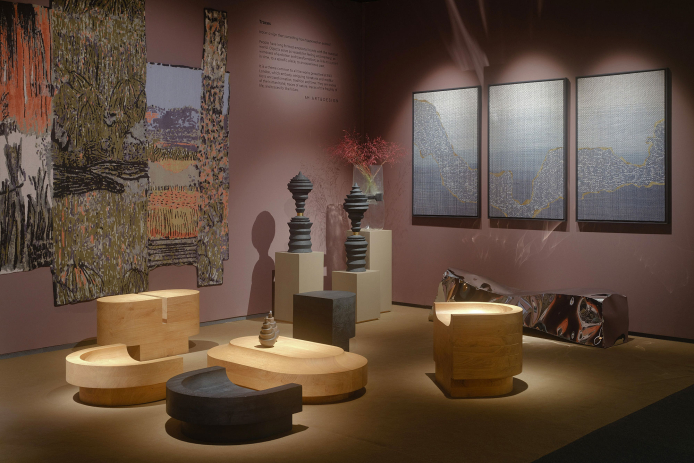
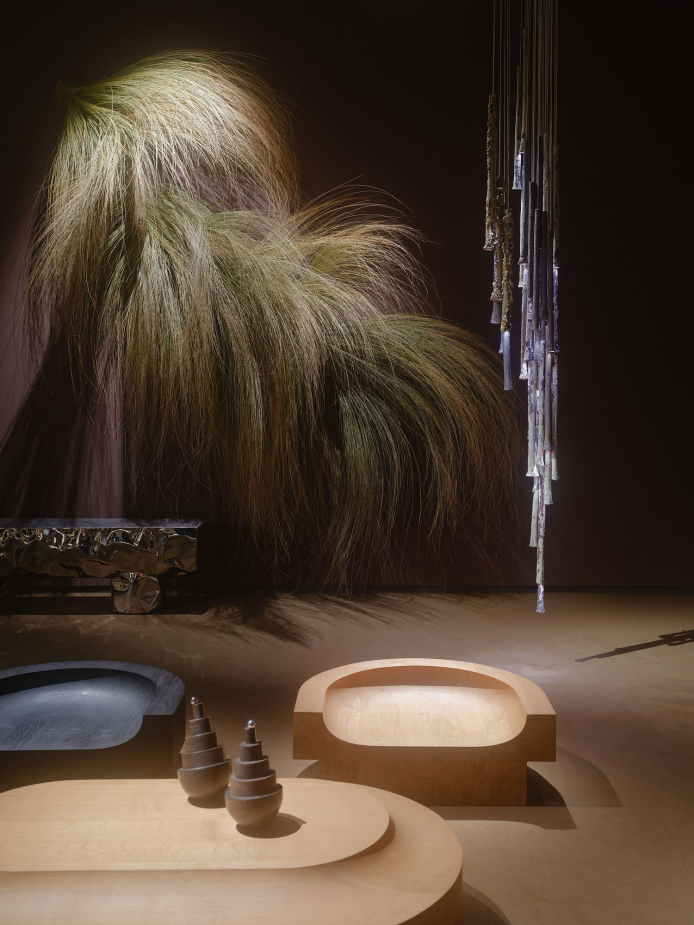
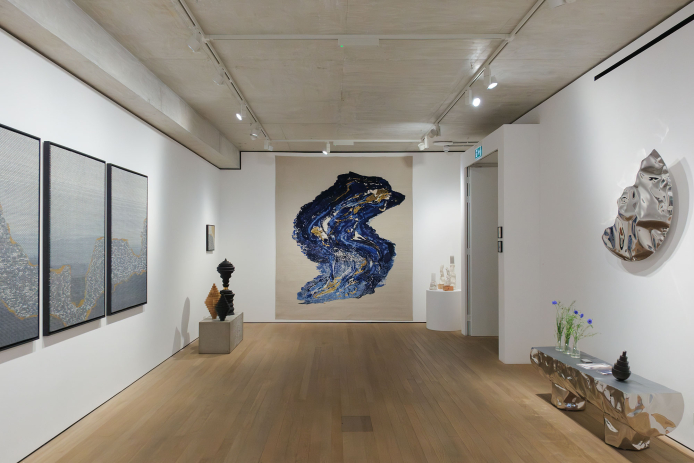
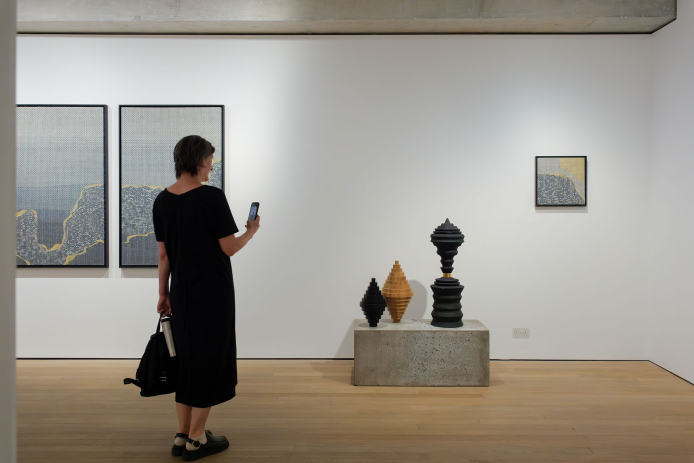
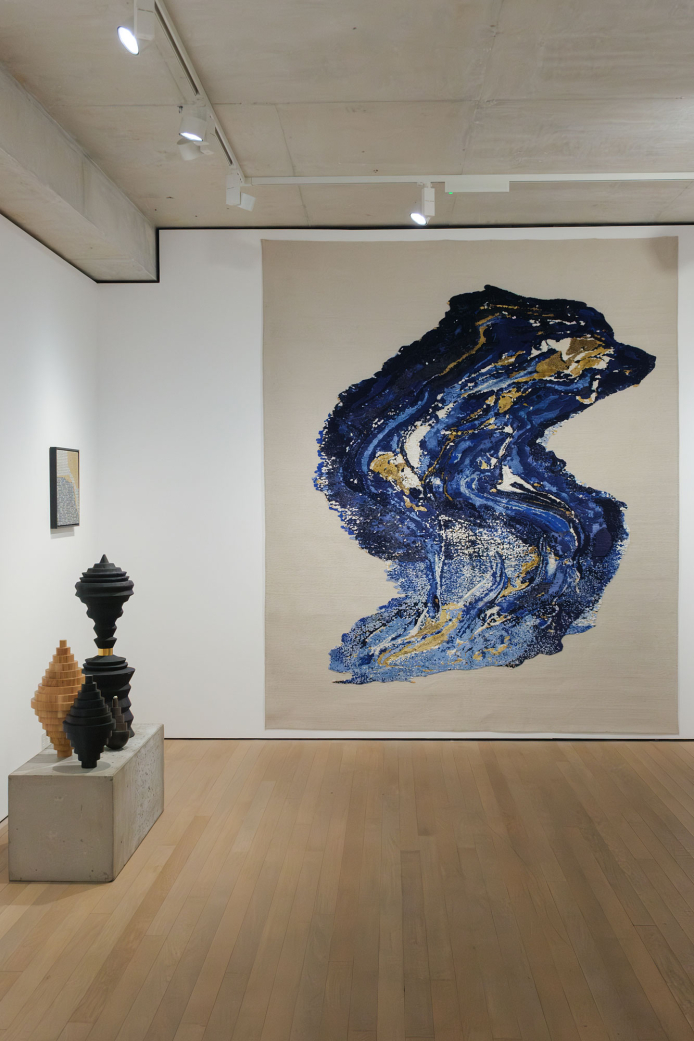
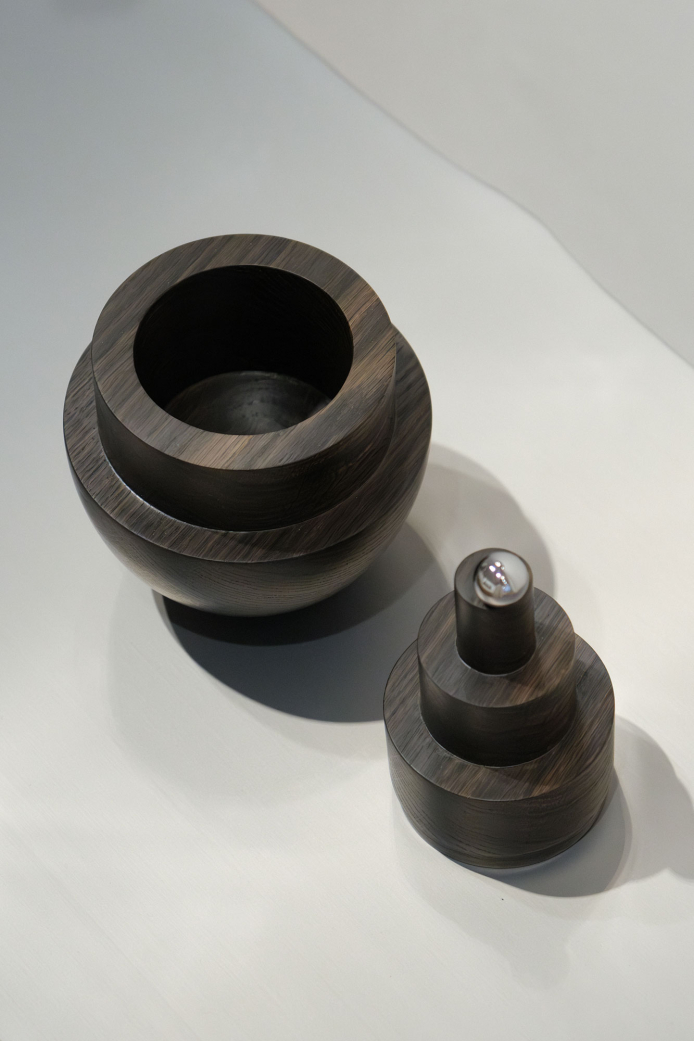
Zlata Kornilova is a contemporary artist and sculptor from Russia. In her practice, she seeks to connect with time — capturing fleeting moments and preserving them through material. Through architectural forms and the color palettes of the cities she visits, Zlata explores the seamless intertwining of present and past.
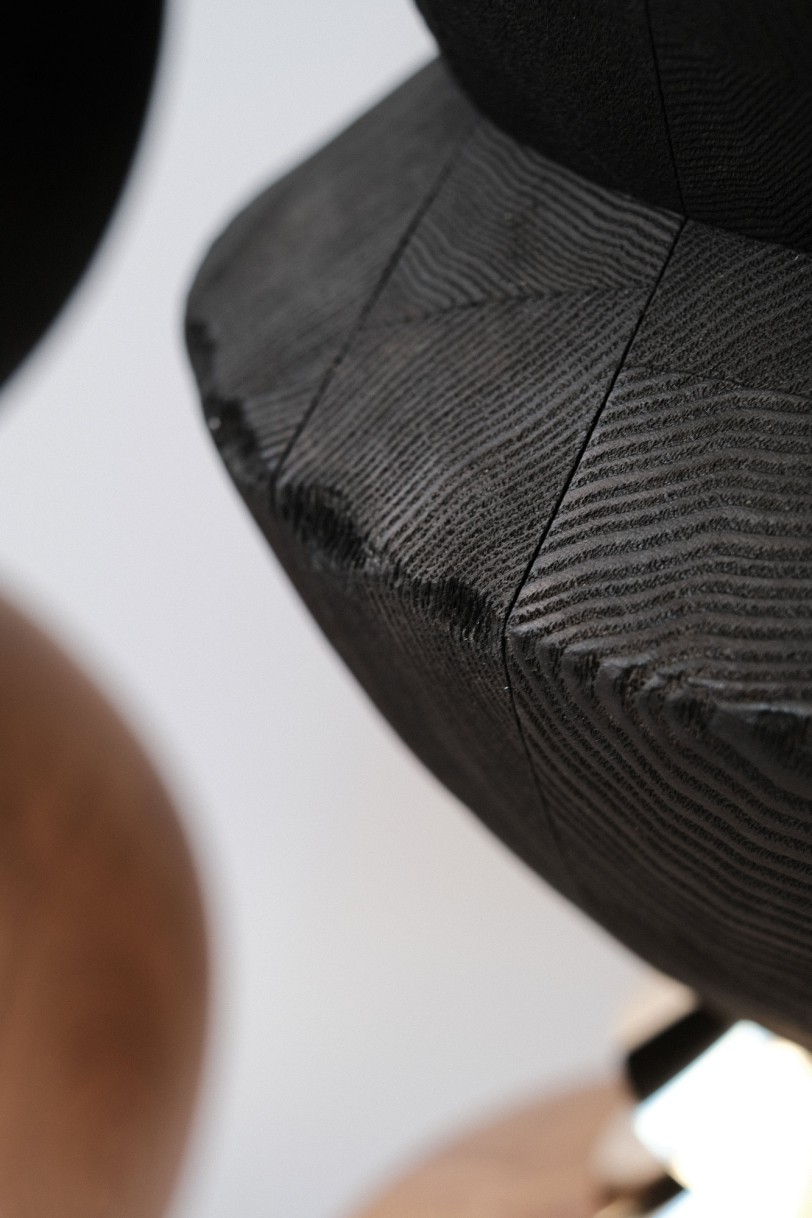
Her artistic vision is inspired by the way nature and time transform man-made objects: sun-bleached paint, darkened wood, oxidized metal. She sees nature and time as the best decorators — and believes there is always something to learn from them.
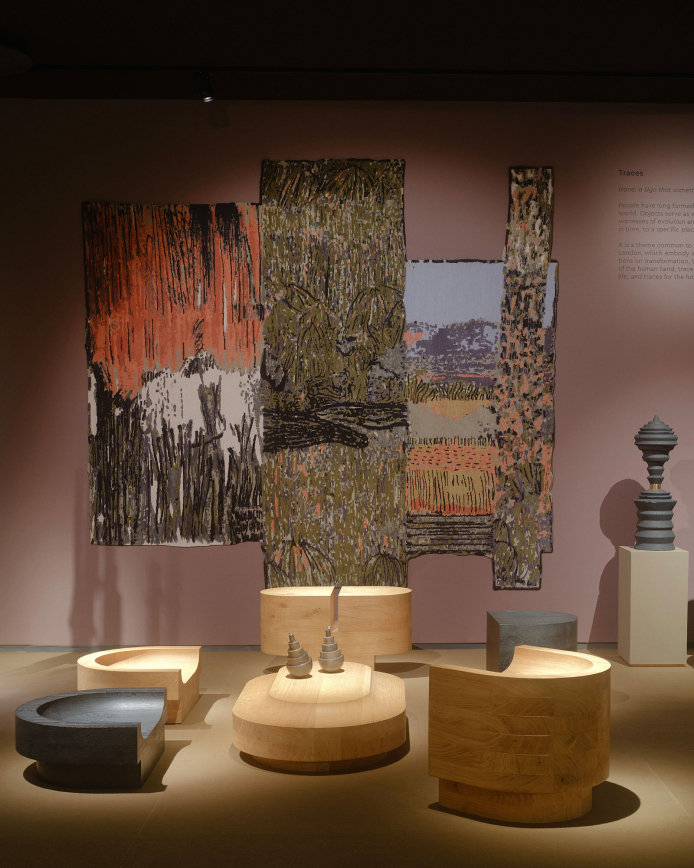
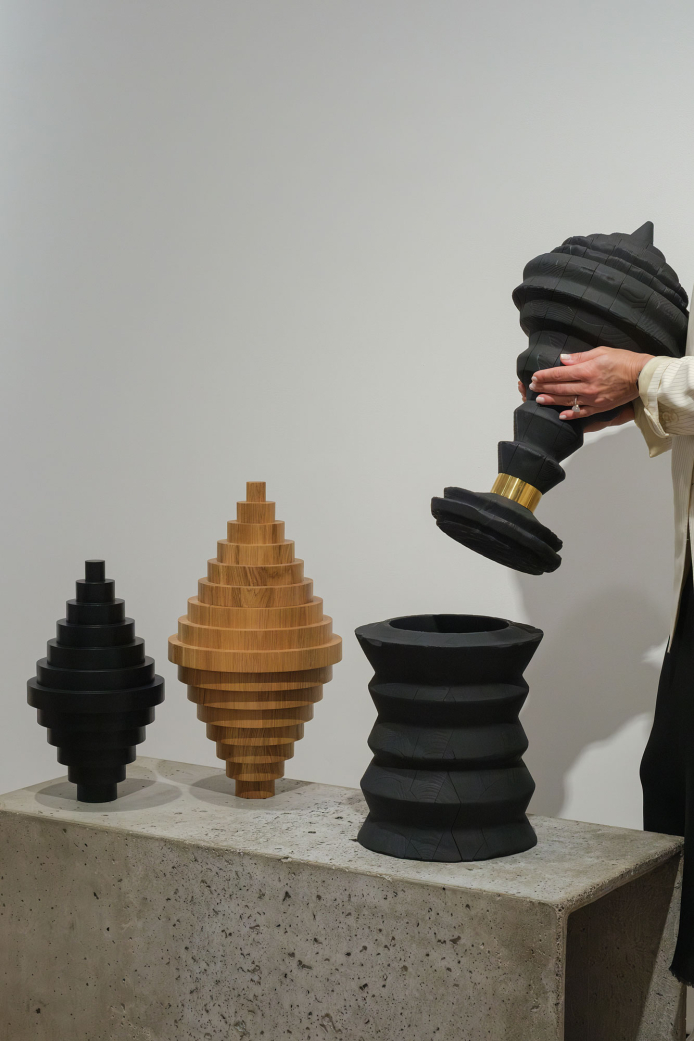
A central theme in her work is the wooden box as sculpture — what she calls a “space for the soul,” a place where personal memories and fragments of life can be preserved.
Zlata Kornilova’s sculptural practice is a meditation on memory, nature, and invisible connection. Working primarily with wood, she transforms simple forms — often boxes — into vessels of reflection, imbued with poetic symbolism. Her surfaces echo the quiet traces left by time: weathered textures, faded hues, and subtle ornamentation drawn from architecture, embroidery, and natural decay. Influenced by myth, travel, and craft traditions, Kornilova weaves stories into her sculptures like threads — both seen and unseen. Each piece becomes a contemplative space, holding the tension between what is preserved and what is passing, and inviting the viewer to pause, listen, and remember.
Have questions? Contact us
Ephemerality. The passage of time. What fades may not be the object (or the emotion) itself, but the attention we give to it.
Windows — the eyes of a house. Transitions of life cycles. A journey through worlds that shift with time and appear to us as something new, unfamiliar.
In the carvings, semi-mythical creatures seem to "live": Lions, Bereginyas, Sirin birds... Each with its own symbolic presence, mood, and character.
The nalichnik (carved window frame) becomes a temporary refuge for these images and human emotions — faith, joy, fear... that come to life when we look inward — from the inside out, and back again.
From the gaze of the maker to the eyes of the beholder.
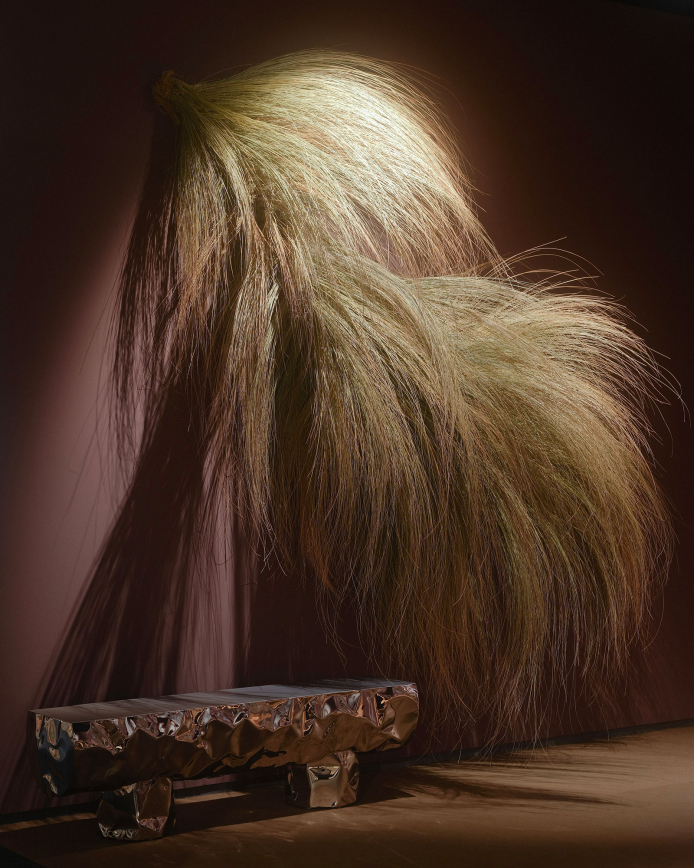
When something becomes so elusive that only its shadow remains visible.
Invisible threads... Where do they lead, what do they remind us of, what stories do they tell...?
Since ancient times, the patterns of embroidery and weaving have carried countless symbols — not only to be looked at, but to be read. Each symbol was intentional and meaningful, serving as a protective charm and a reminder of the invisible threads that connect each person to nature, to their ancestry...
These very patterns are what I decided to transfer onto wooden pieces — to reinterpret them. After all, each day we "embroider" our lives, like one vast pattern.
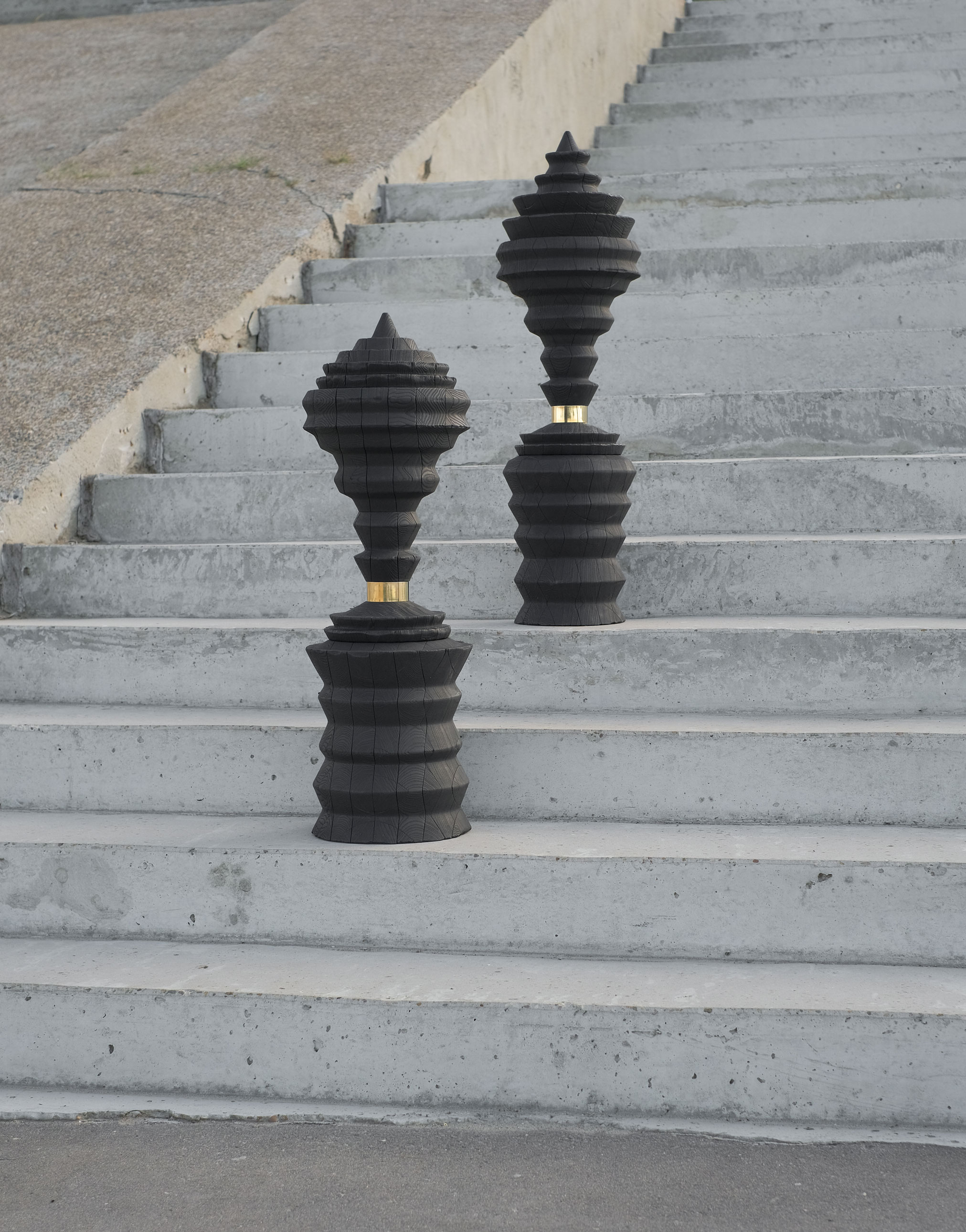
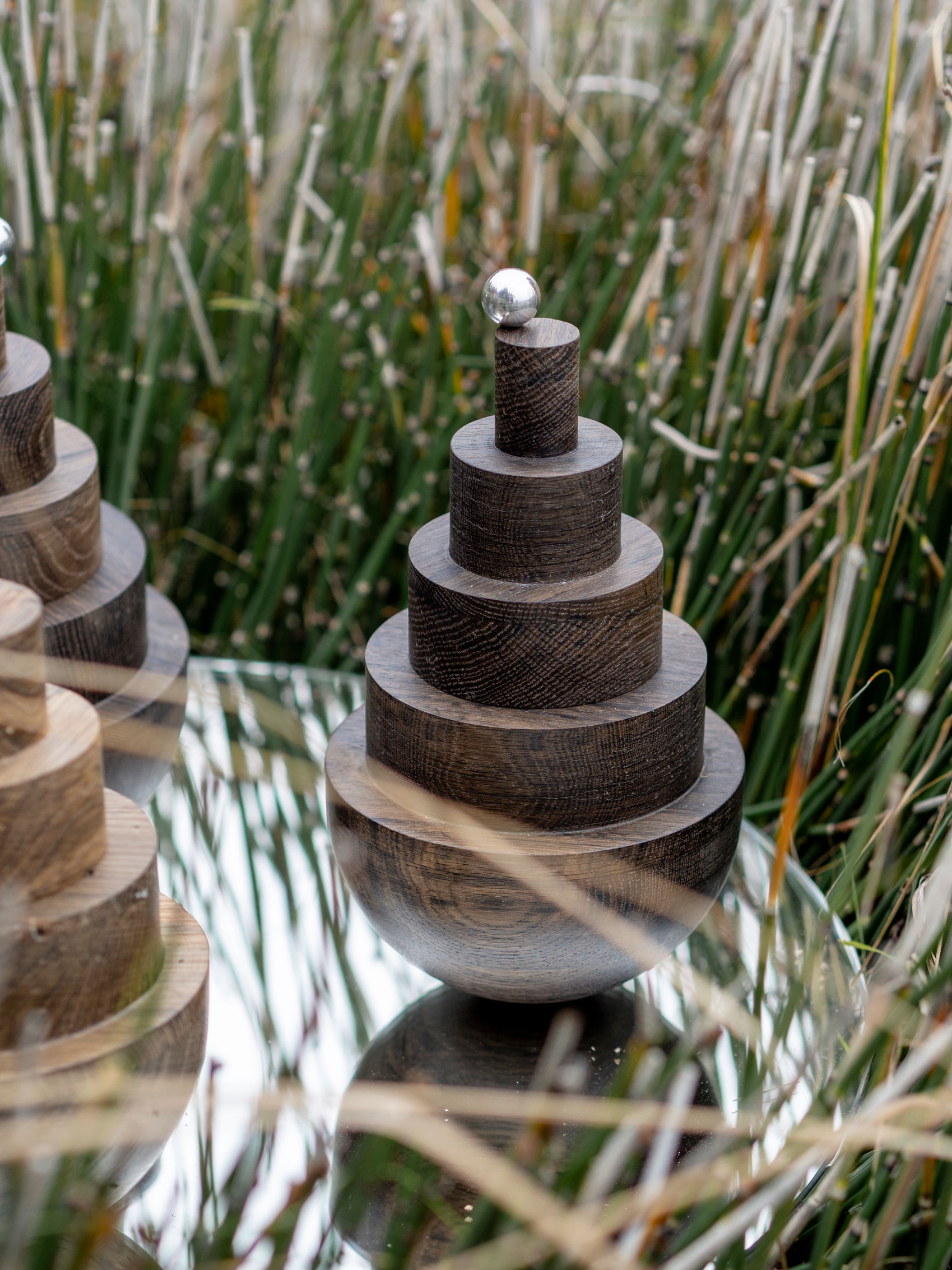
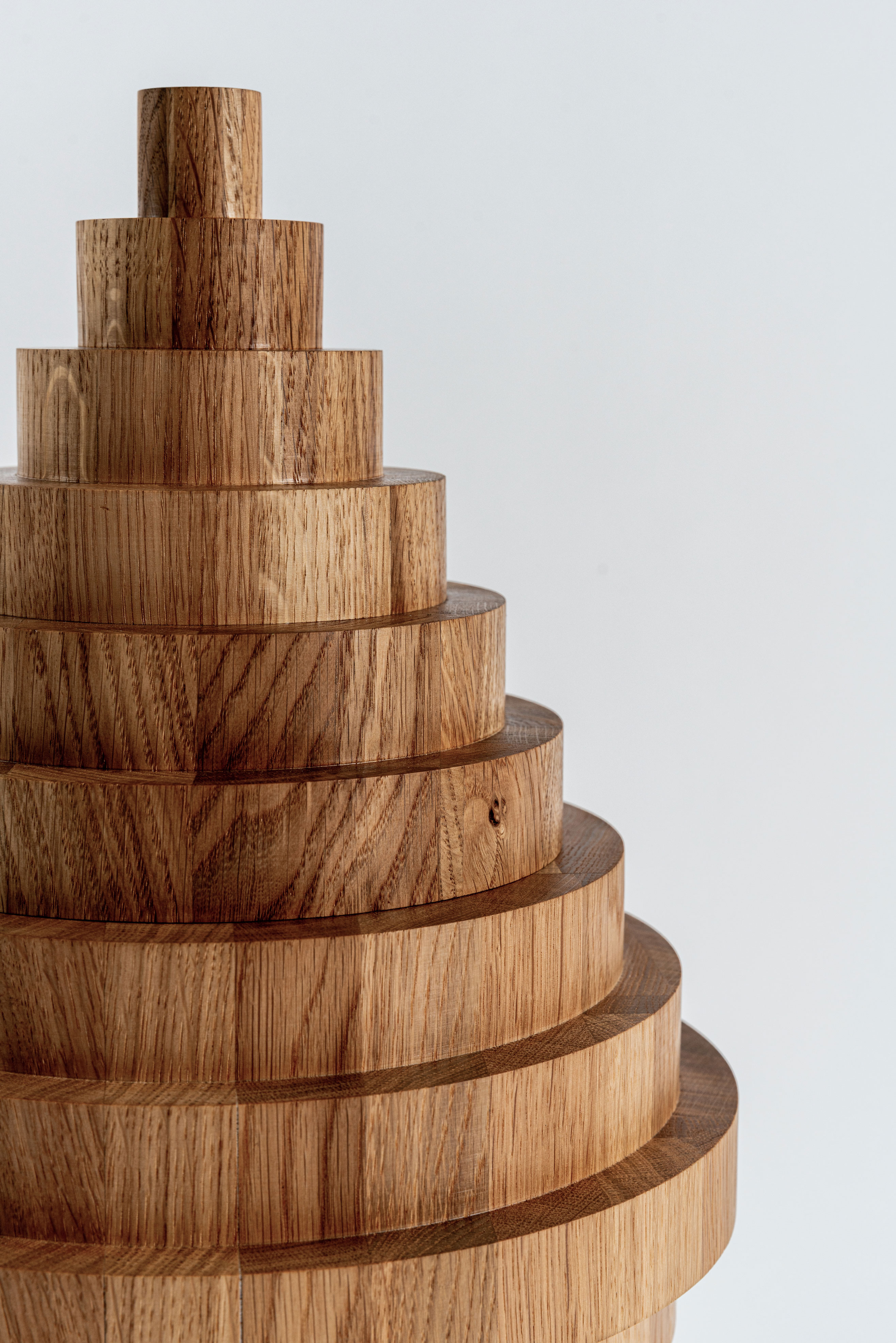
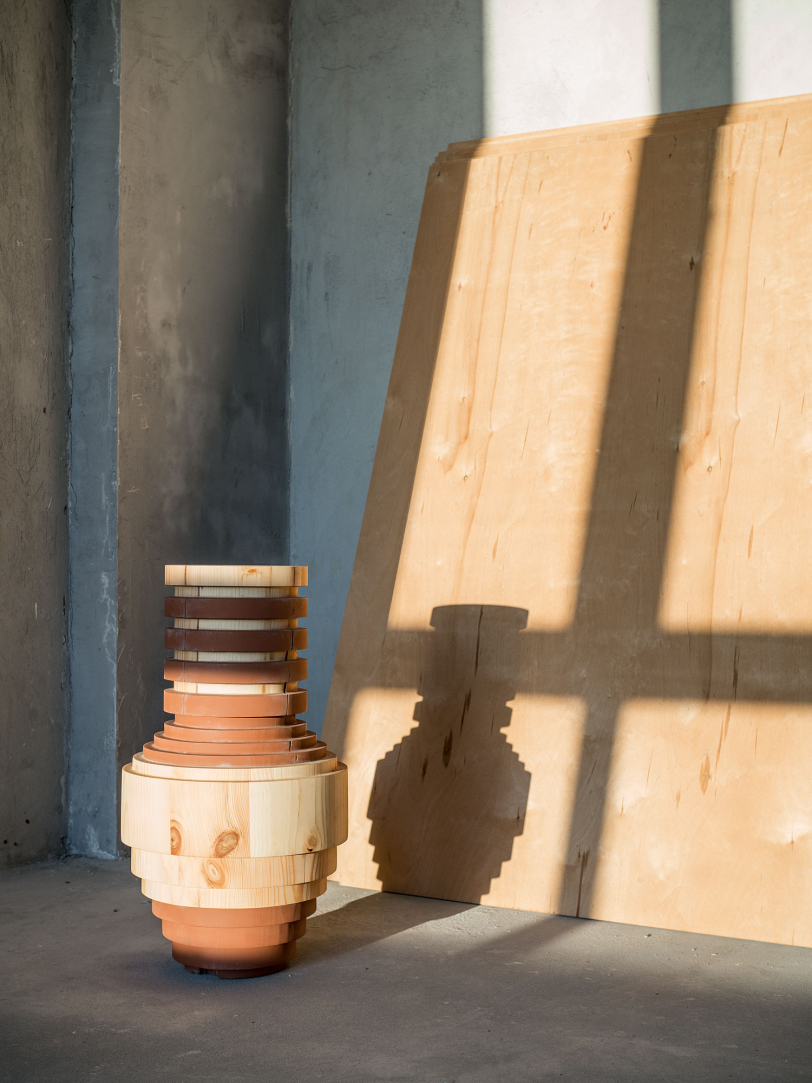
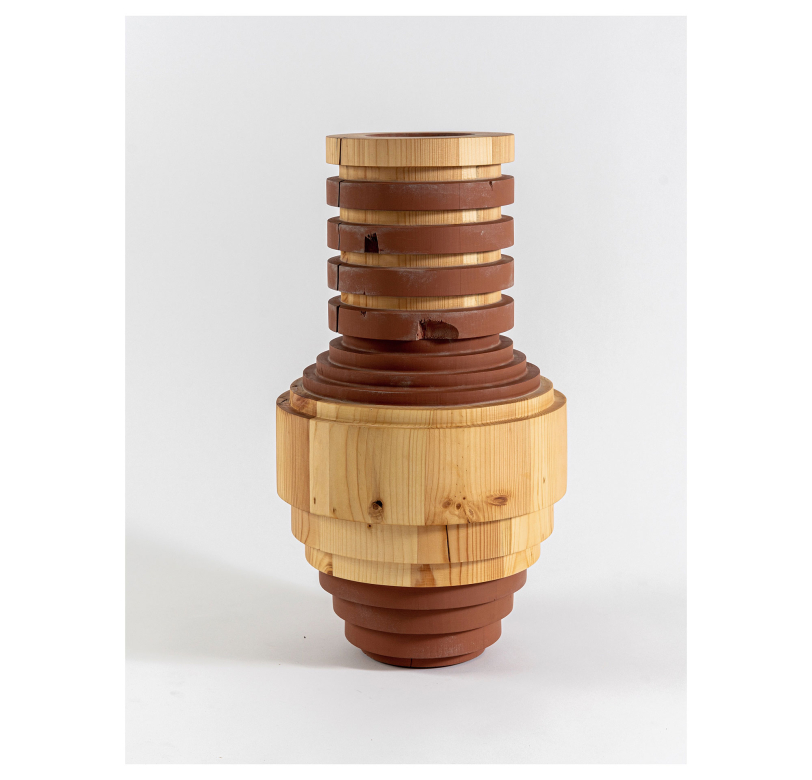
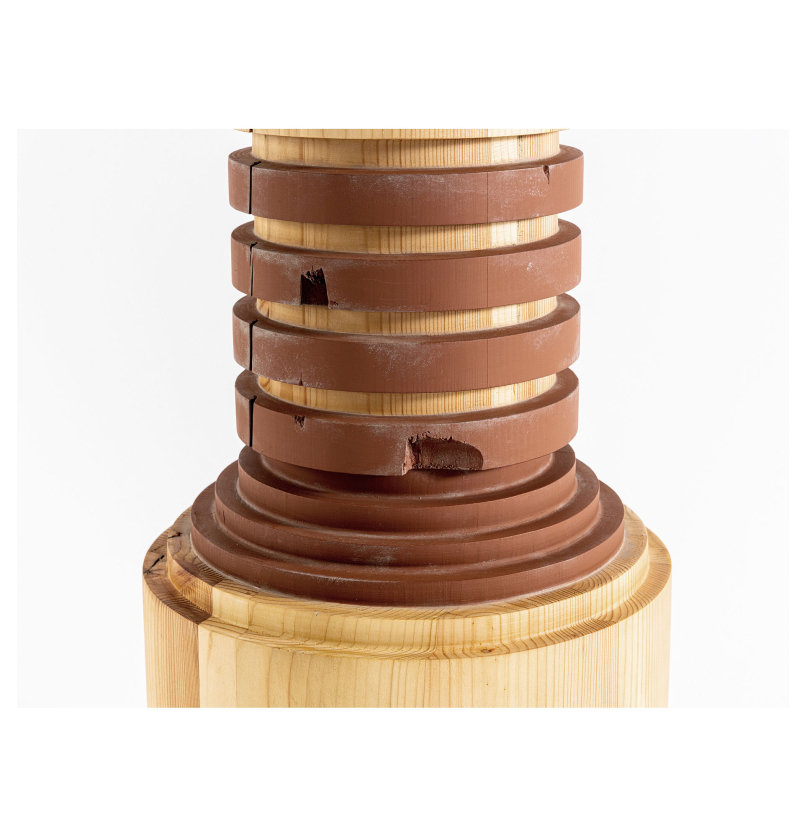
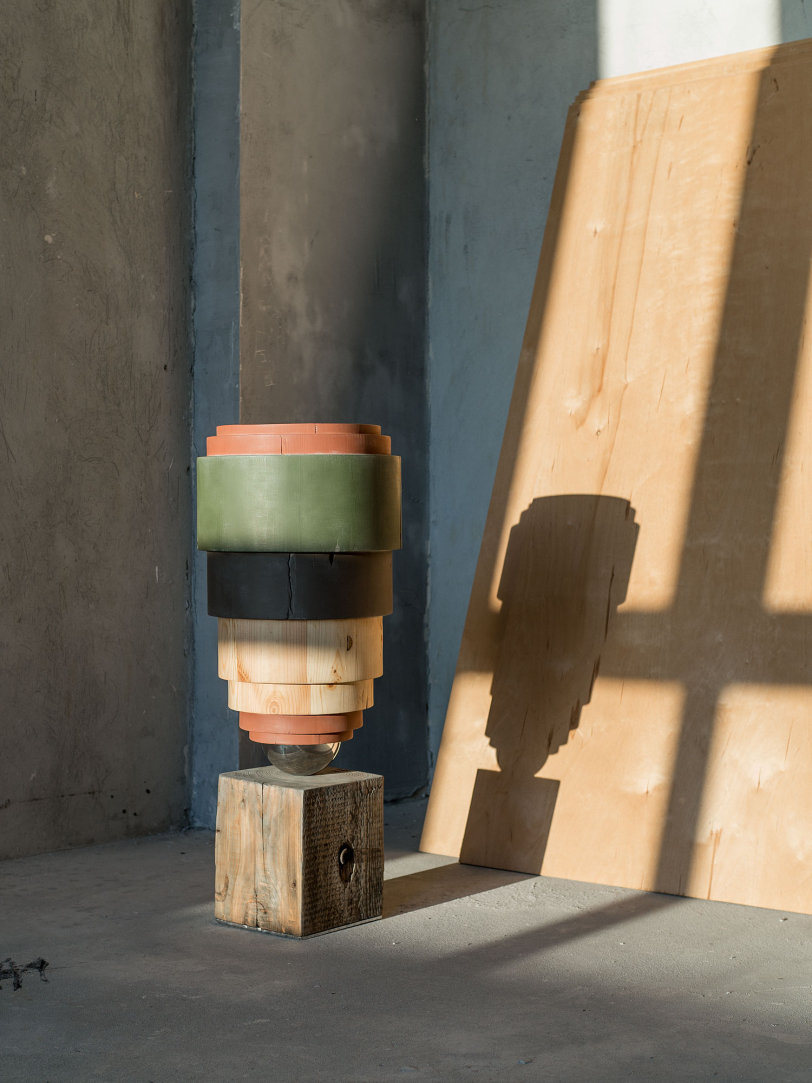
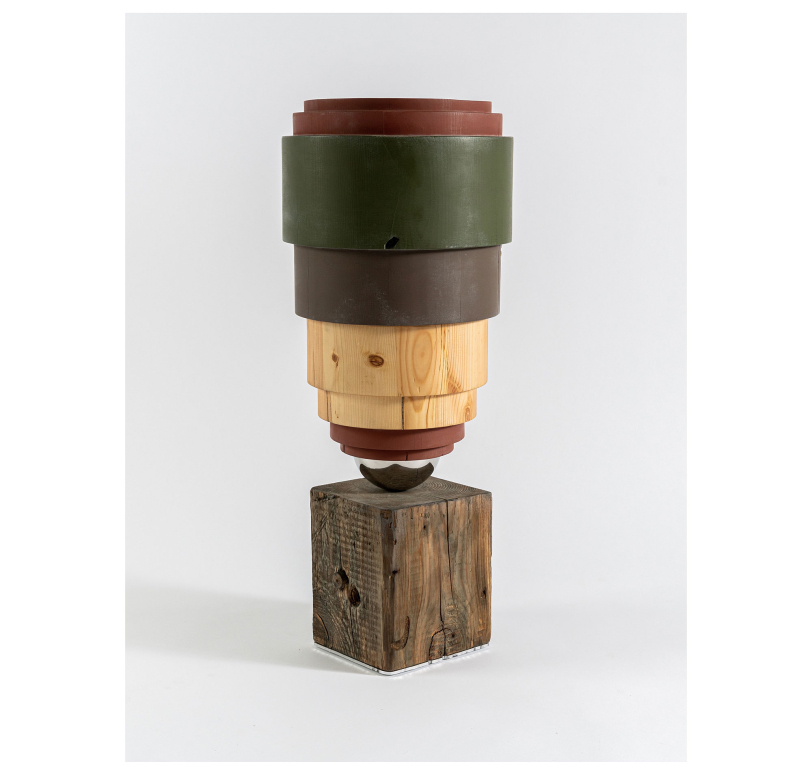
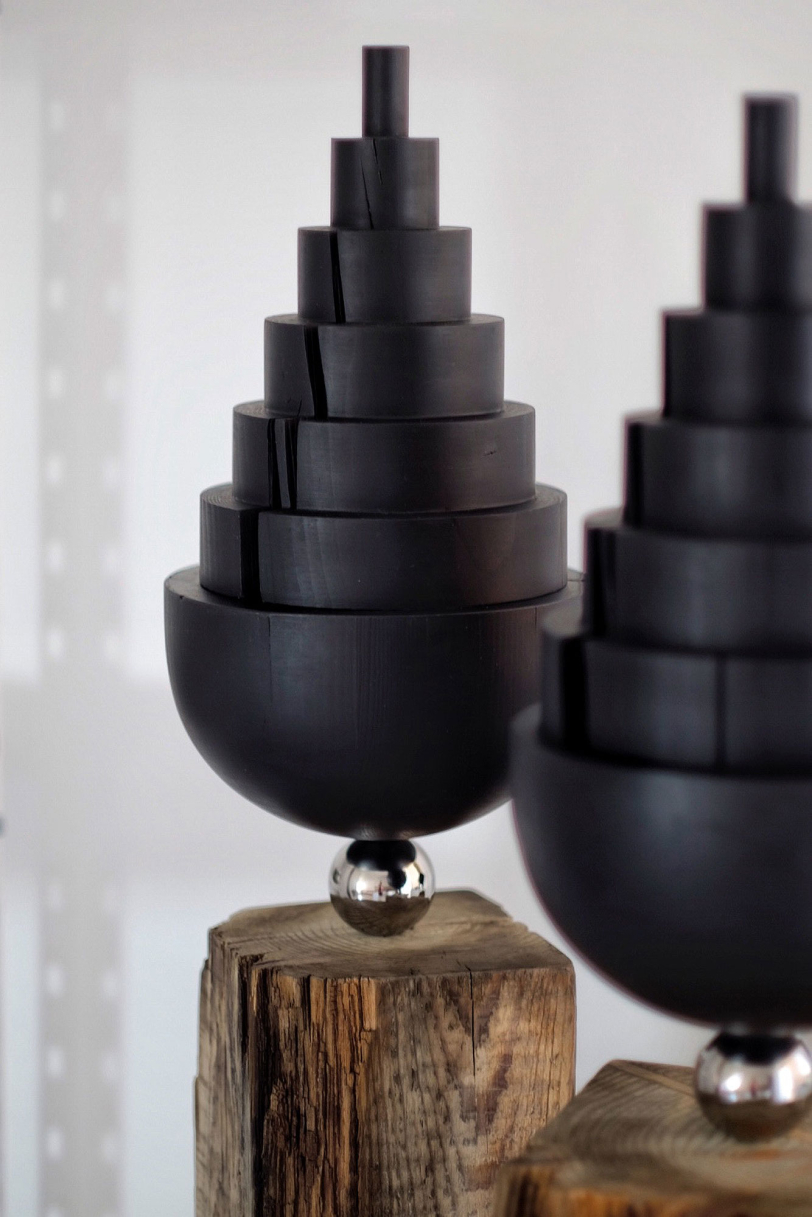
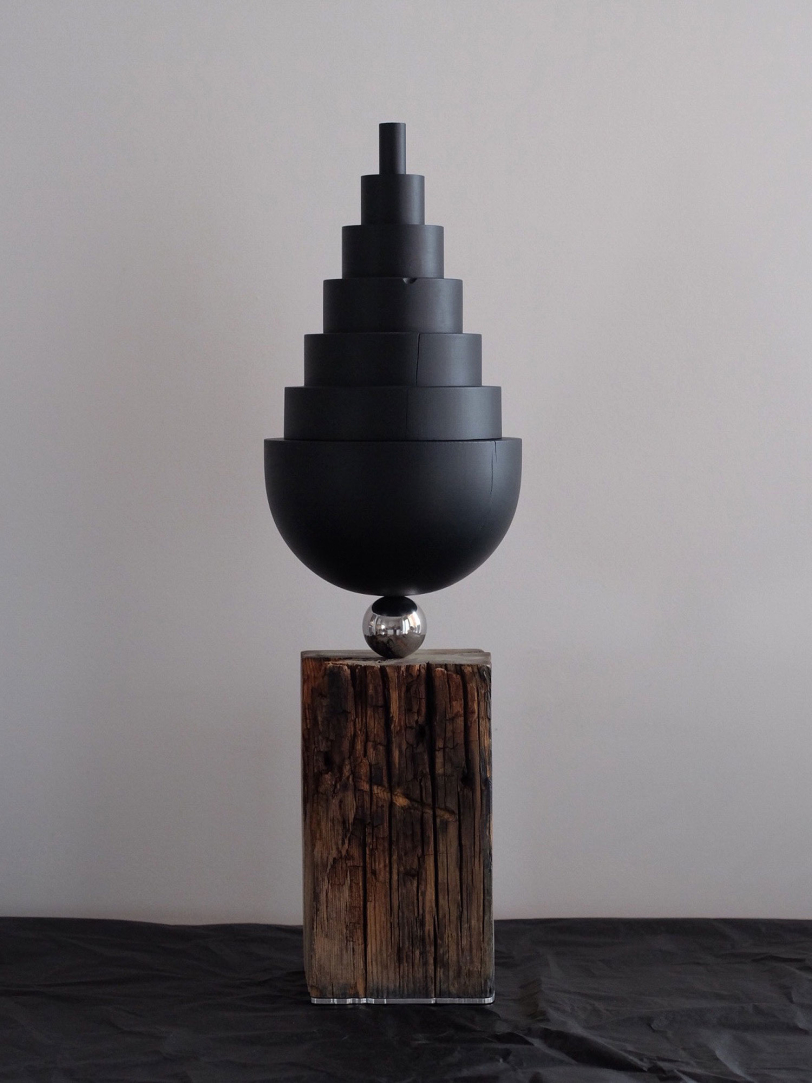
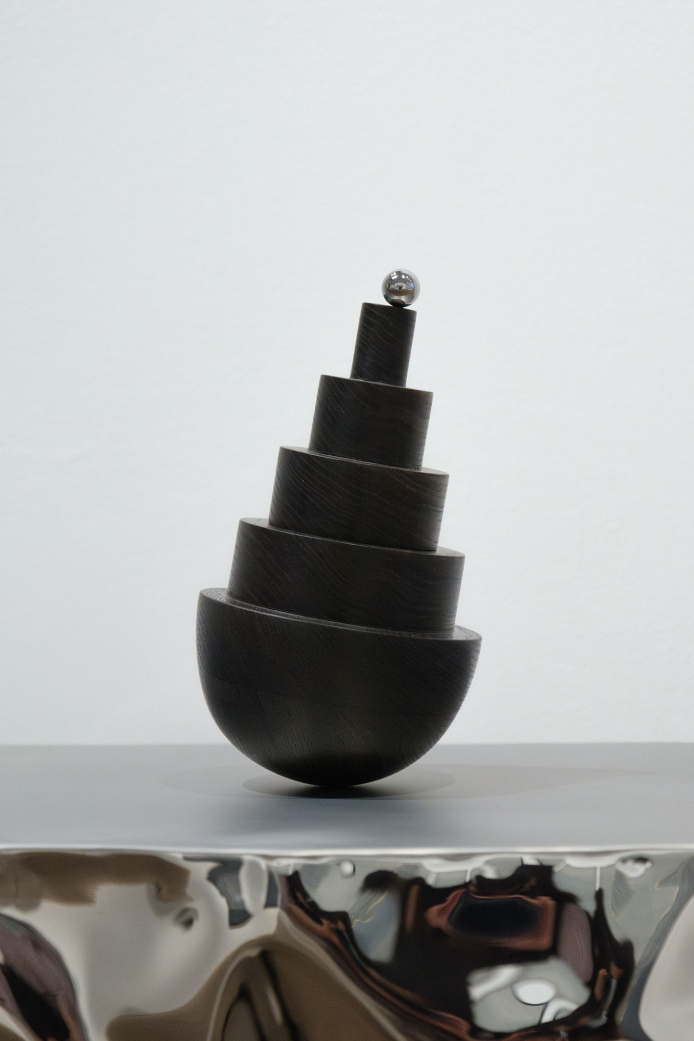
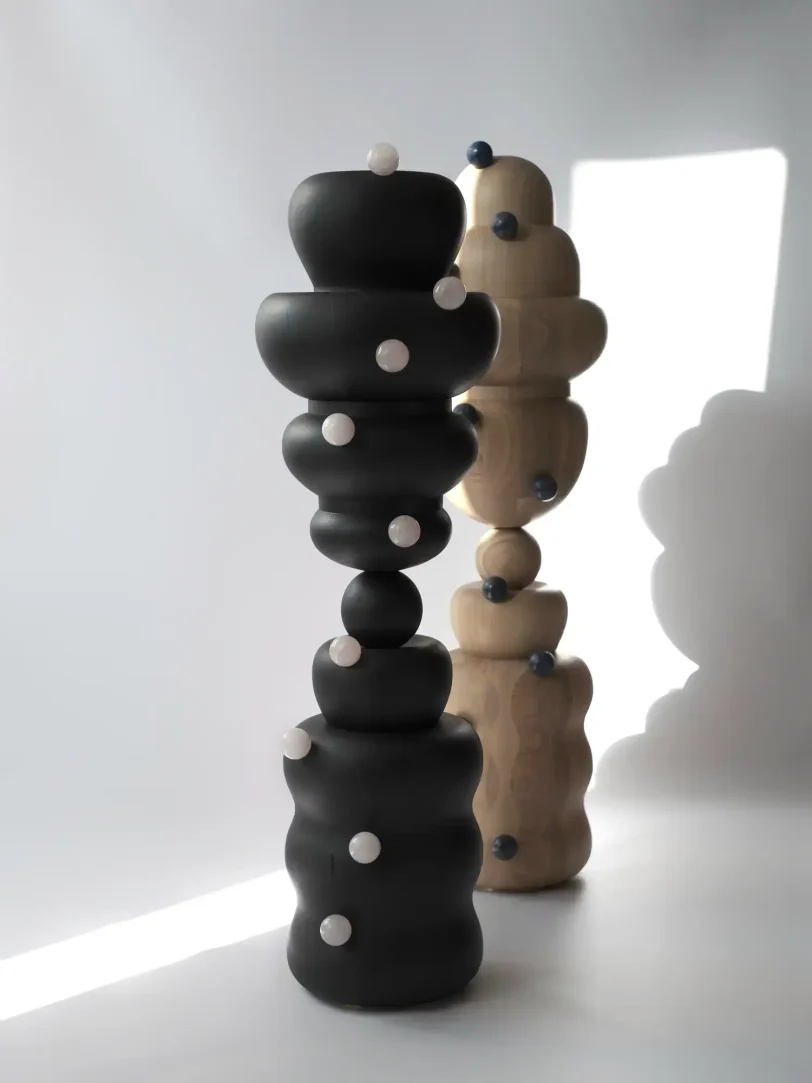
Climbing. Both word and action are fascinating. LULO is the golden apple of the Andes. In ancient myths, the apple symbolizes knowledge and wisdom. Take a good look and you will definitely feel and see everything... Ledges of mountains and steps of wisdom... Climbing always has a goal.
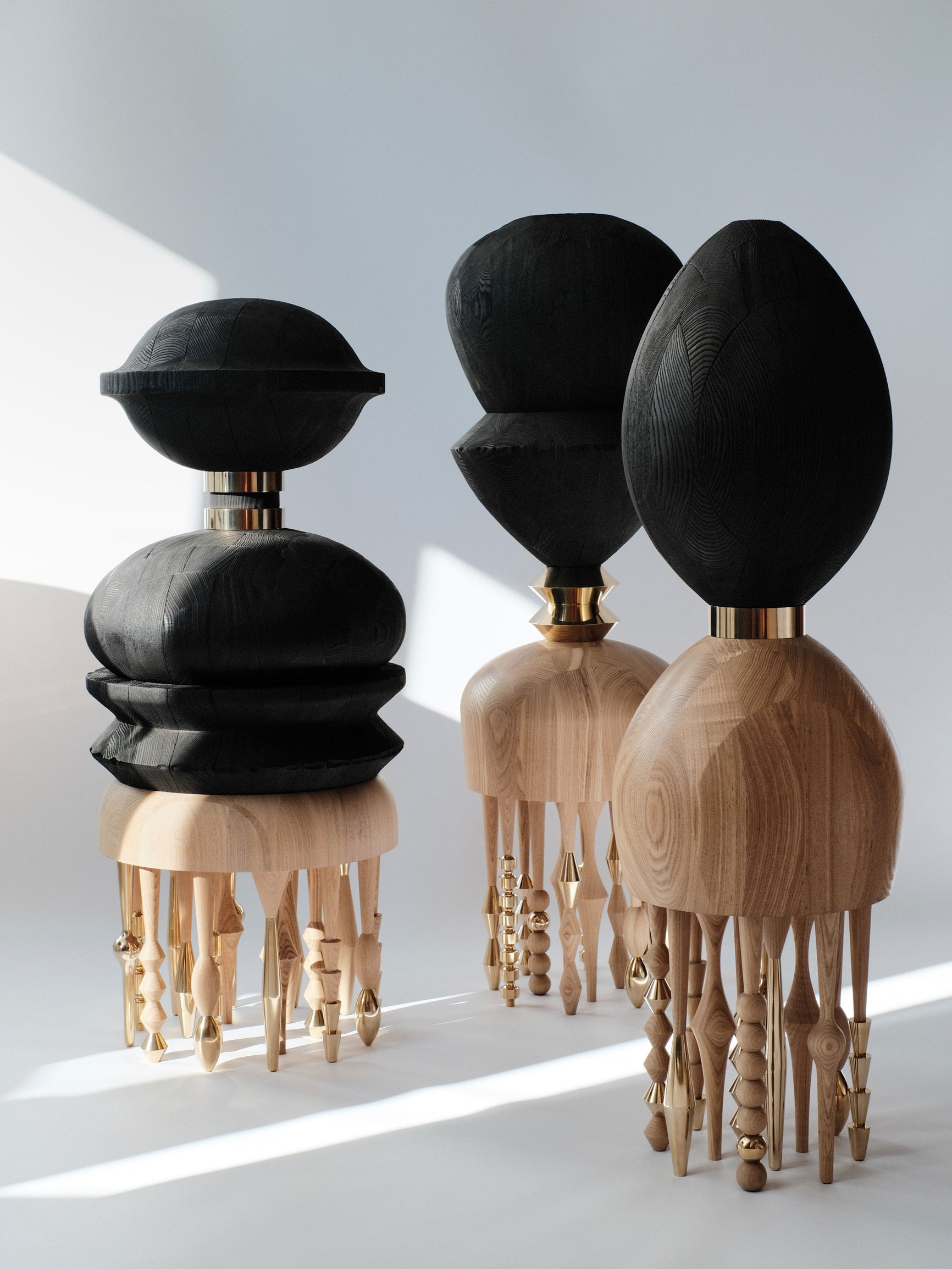
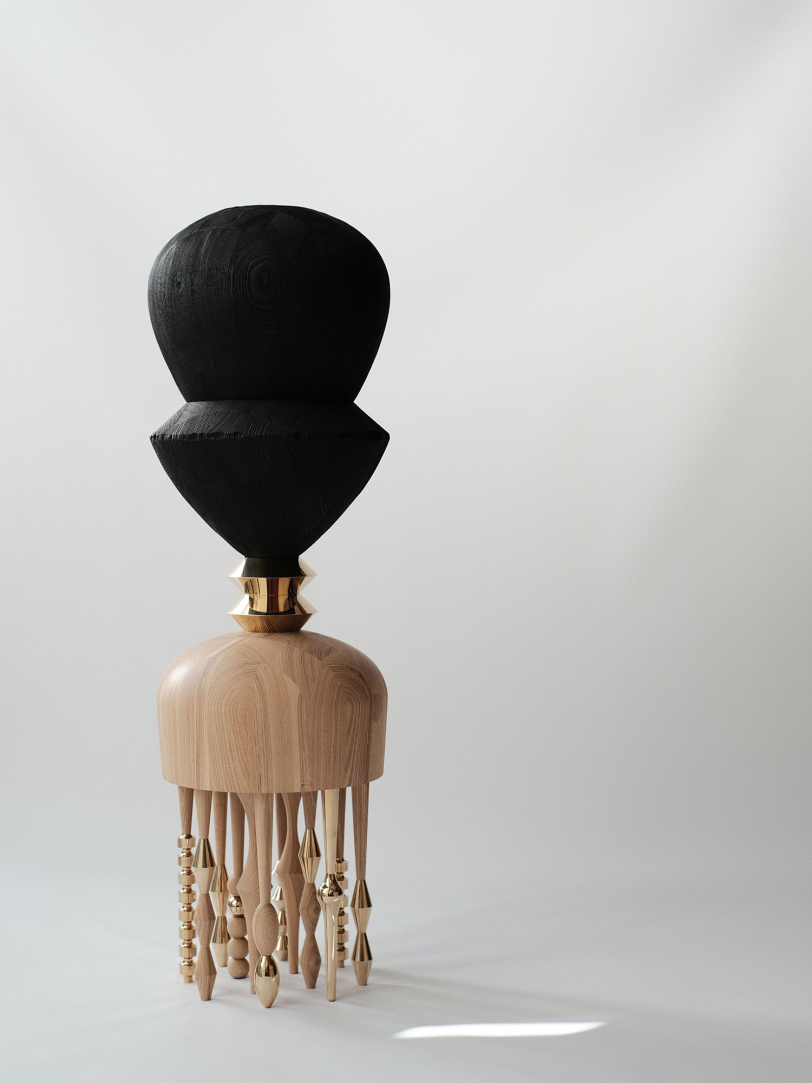
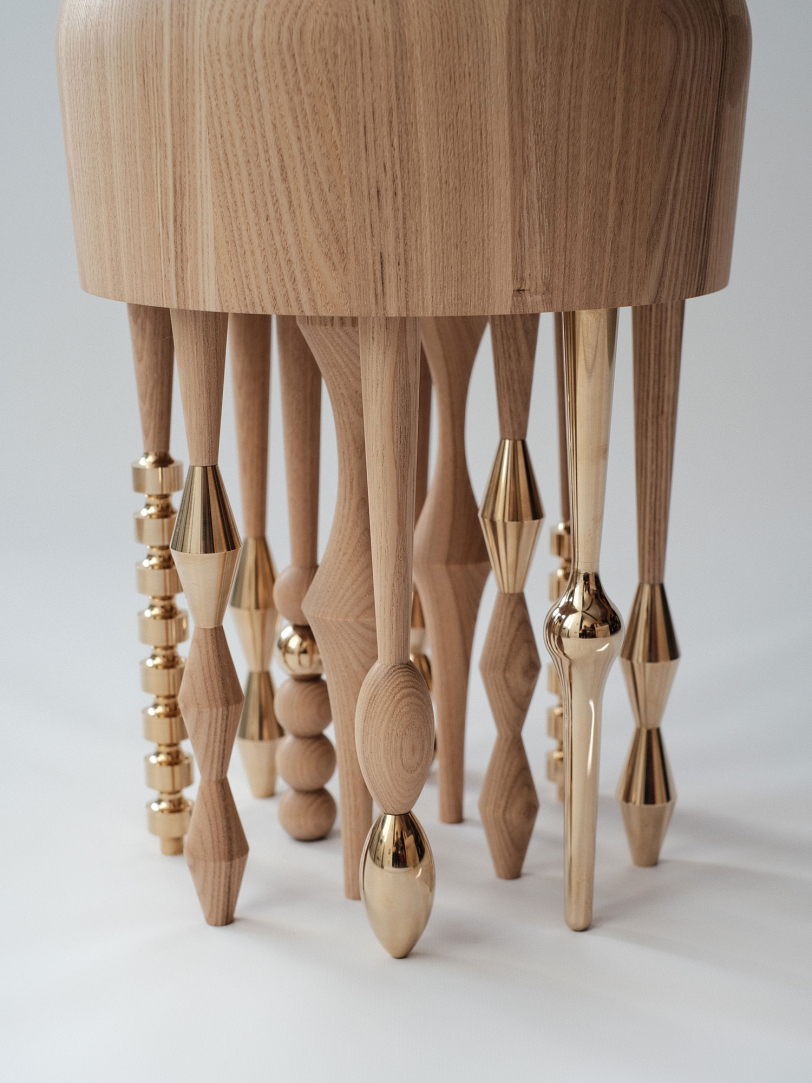
The creation of this sculpture from the LU series was a journey that took a year and a half. Lines, movement, and architectural forms gradually evolved in the artist's sketches, until time transformed them into a refined, elegant object—captivating in its visual perfection.
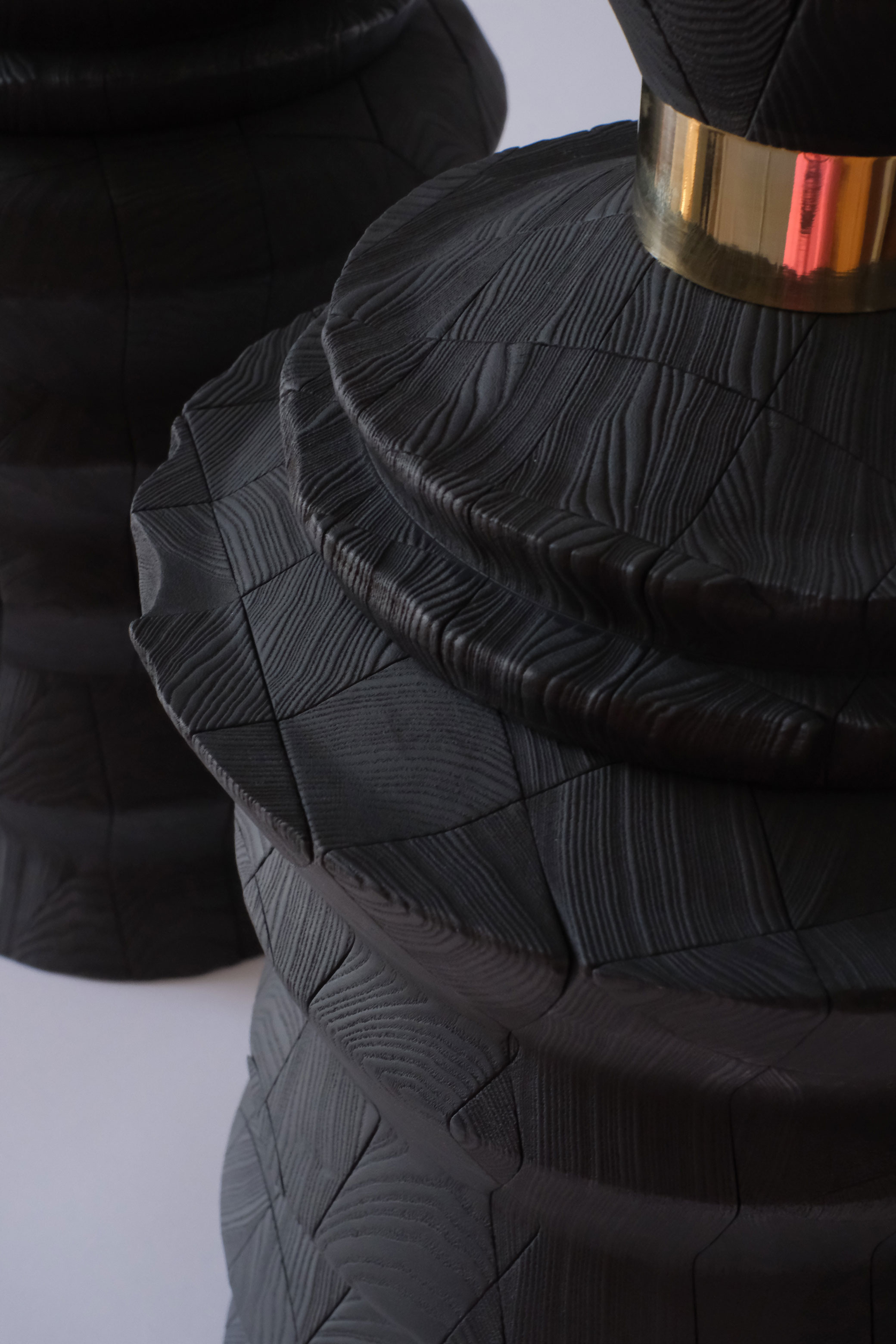
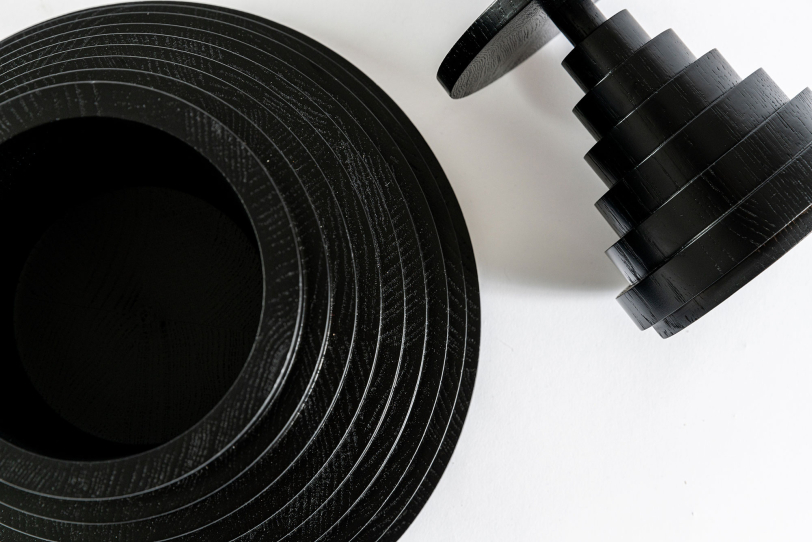
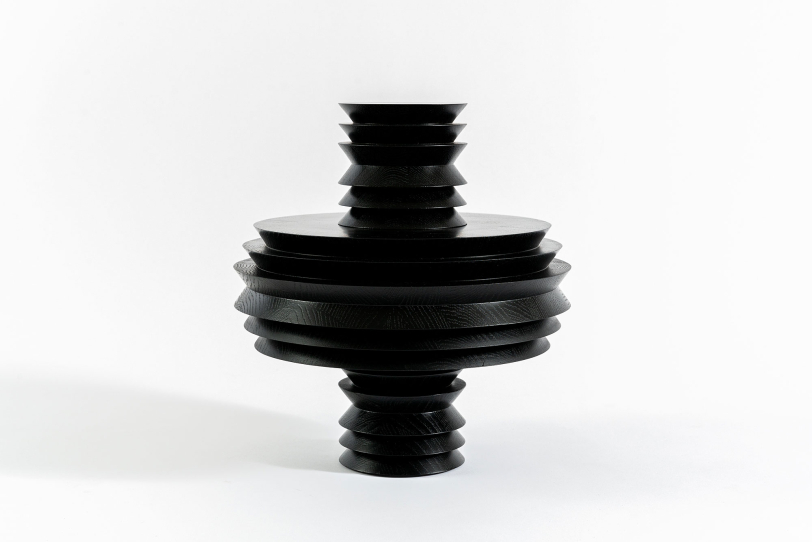
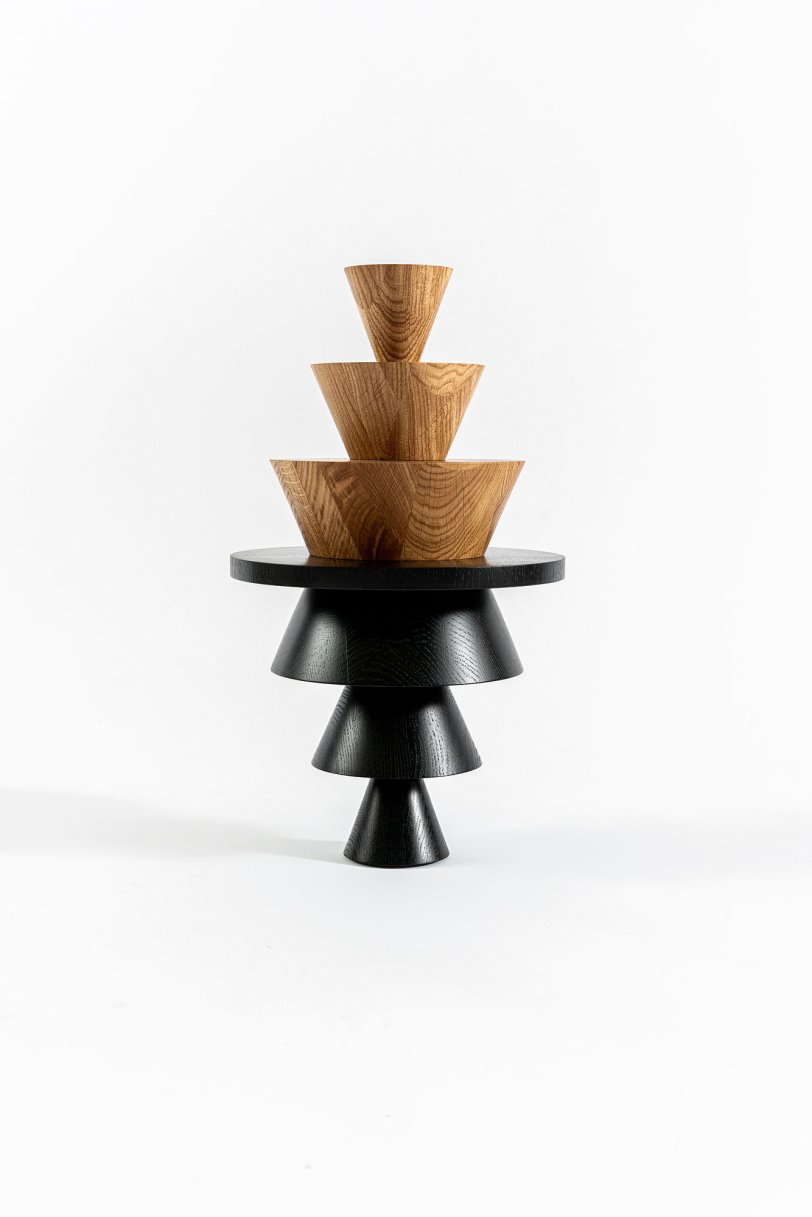
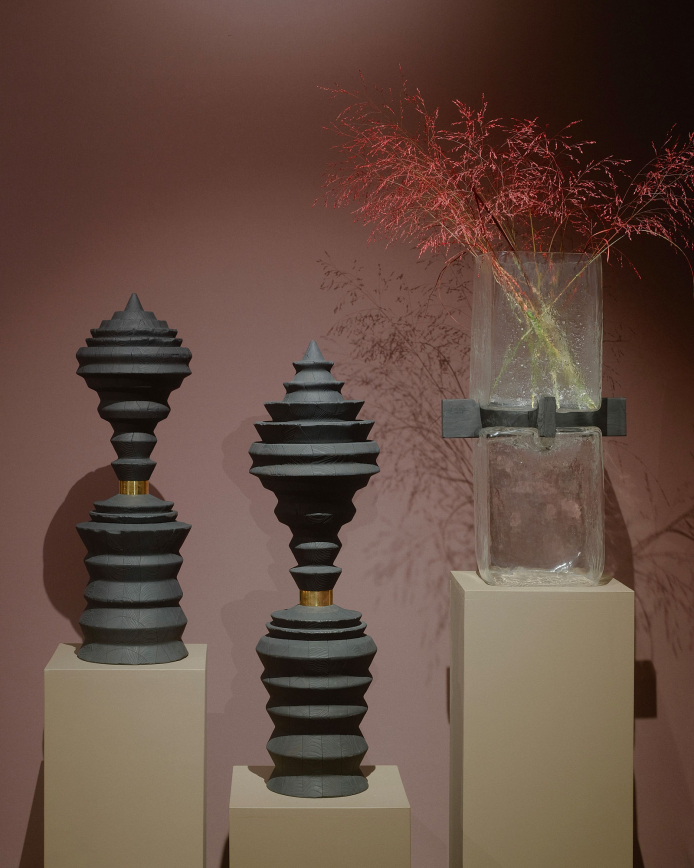
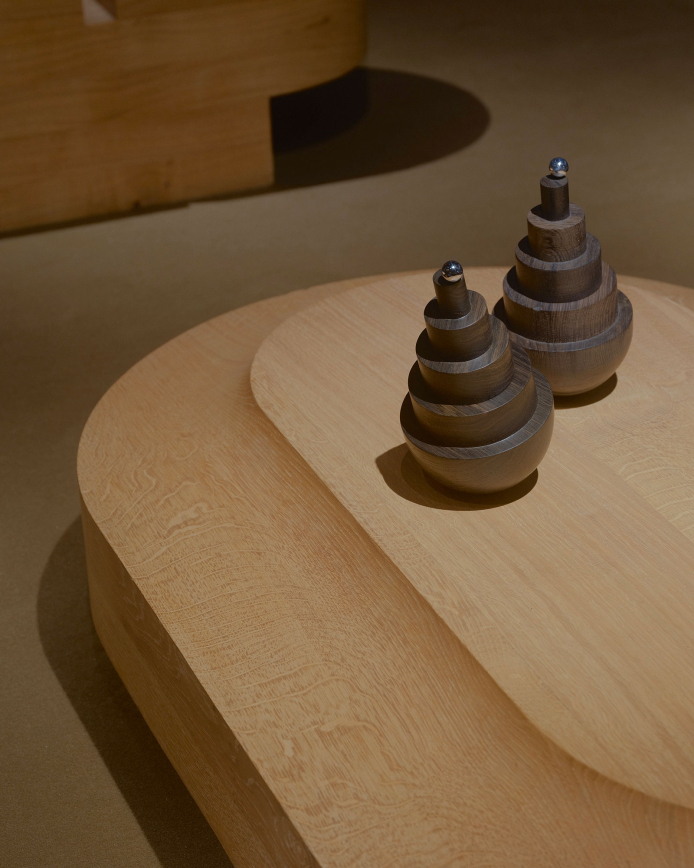
Each of the twenty-eight connected elements was turned on a lathe and carefully polished by hand. Every leg is composed of both wooden and brass parts, threaded onto a brass rod with a screw thread. Over time, the brass will naturally darken, forming a patina—a quiet reminder of life's constant motion.
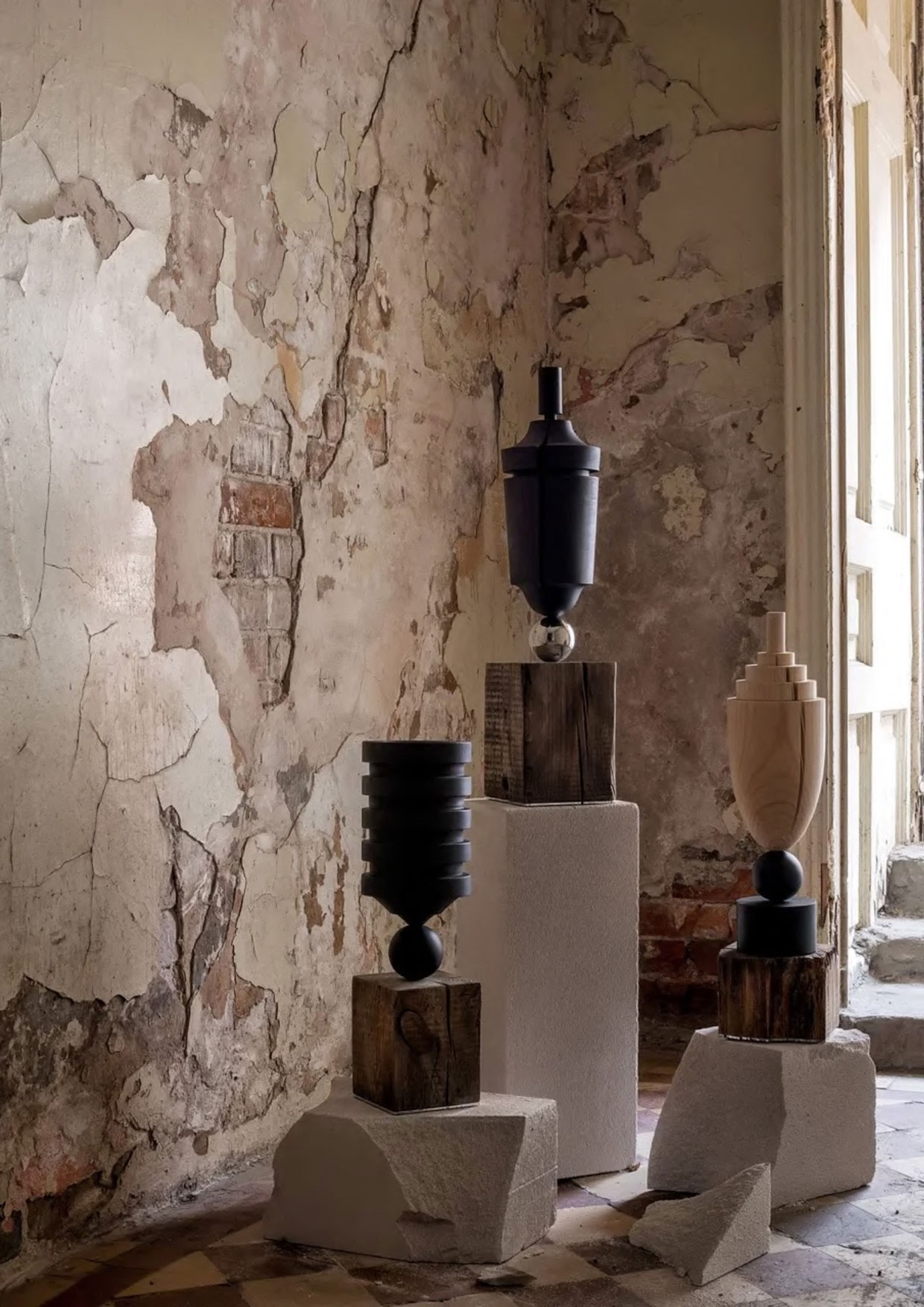
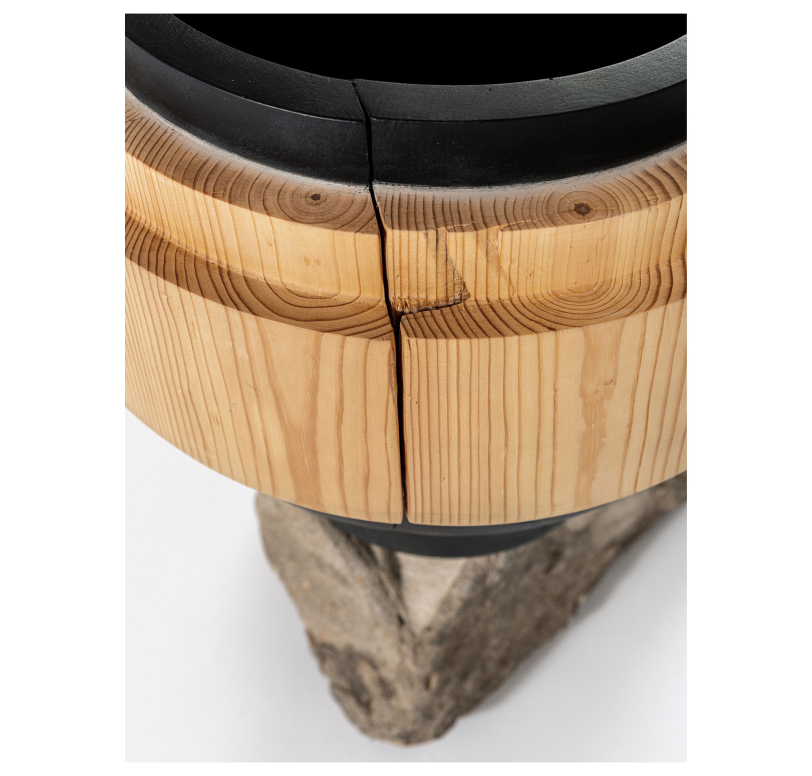
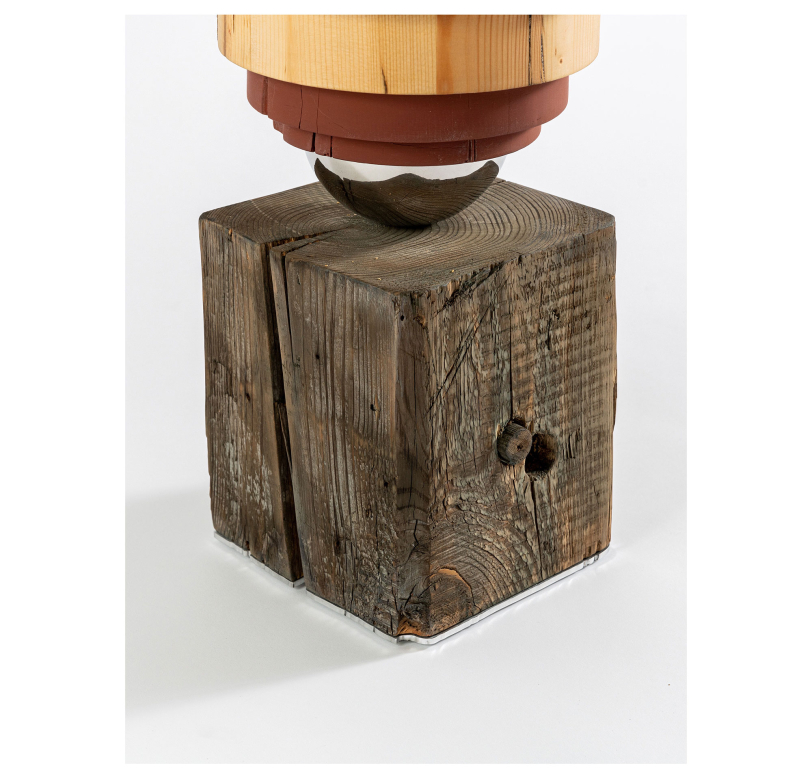
This series is made using reclaimed wood from old houses — wood that carries history within it. Its worn and imperfect surface draws you in, but the real surprise comes when you clean it: beneath the dust, it's fresh, untouched, fragrant with resin. There's something magical about it, as if the wood reveals its secret inner life.
Why boxes? Because they hold things. They're like small sanctuaries — intimate spaces where one can hide a piece of memory, a part of the soul.
Events