Artists
Marina BaiselAtelier MartisThibeau ScarcériauxSfossilsAlena MukhinaSofia KarnukaevaLumi UniNitush-ArooshIra BoykoMomoka GomiZlata KornilovaDROZHDINIAdriana MeuniéAlexandra VolskayaSee allArtists
Marina BaiselAtelier MartisThibeau ScarcériauxSfossilsAlena MukhinaSofia KarnukaevaLumi UniNitush-ArooshIra BoykoMomoka GomiZlata KornilovaDROZHDINIAdriana MeuniéAlexandra VolskayaSee allPrivacy overview
- Privacy overview
- Strictly necessary cookies
- 3rd party cookies
- Additional cookies
Privacy overview
Strictly necessary cookies
3rd party cookies
Additional cookies
Strictly Necessary Cookies
Strictly Necessary Cookie should be enabled at all times so that we can save your preferences for cookie settings.
Disable
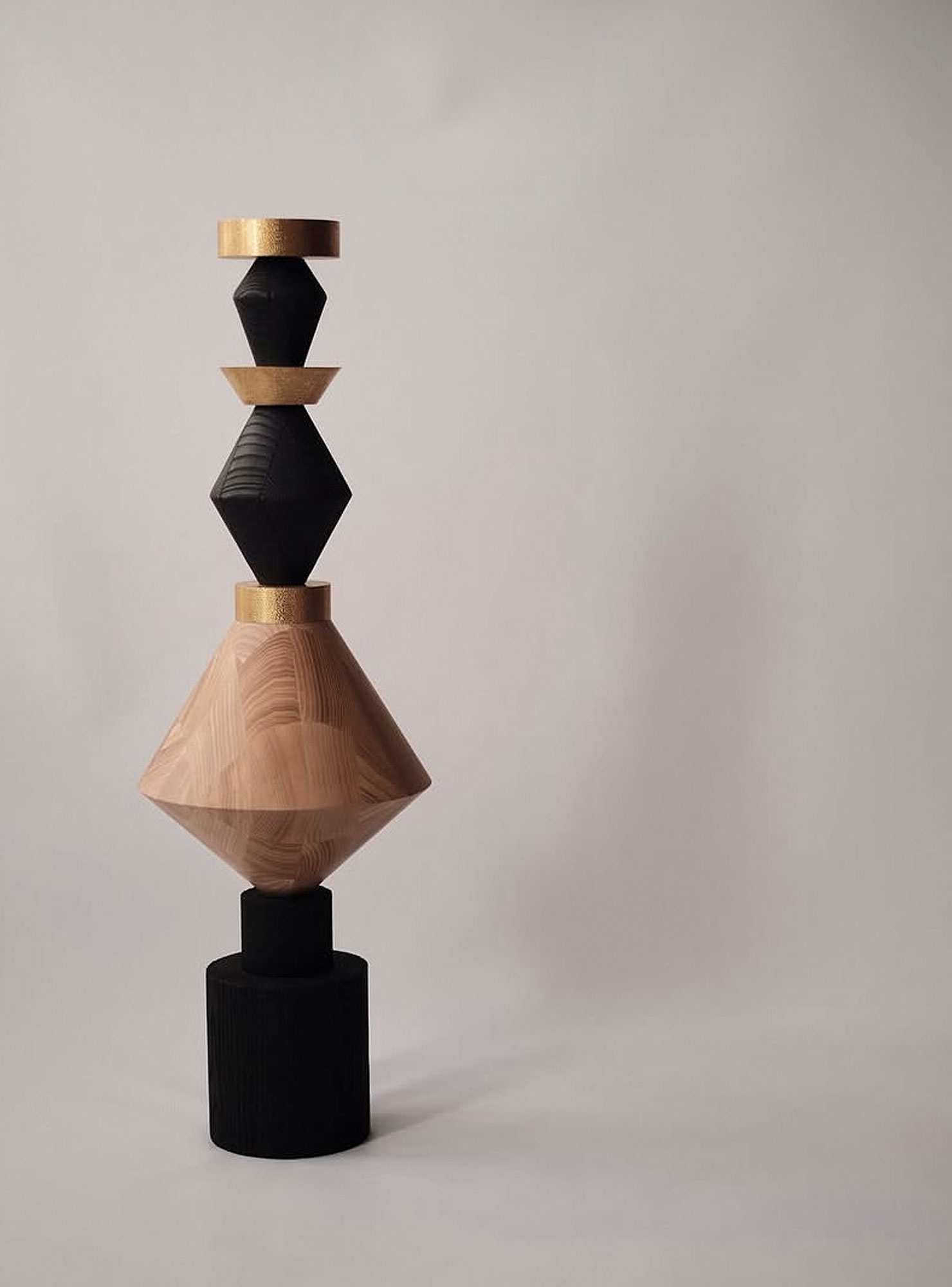
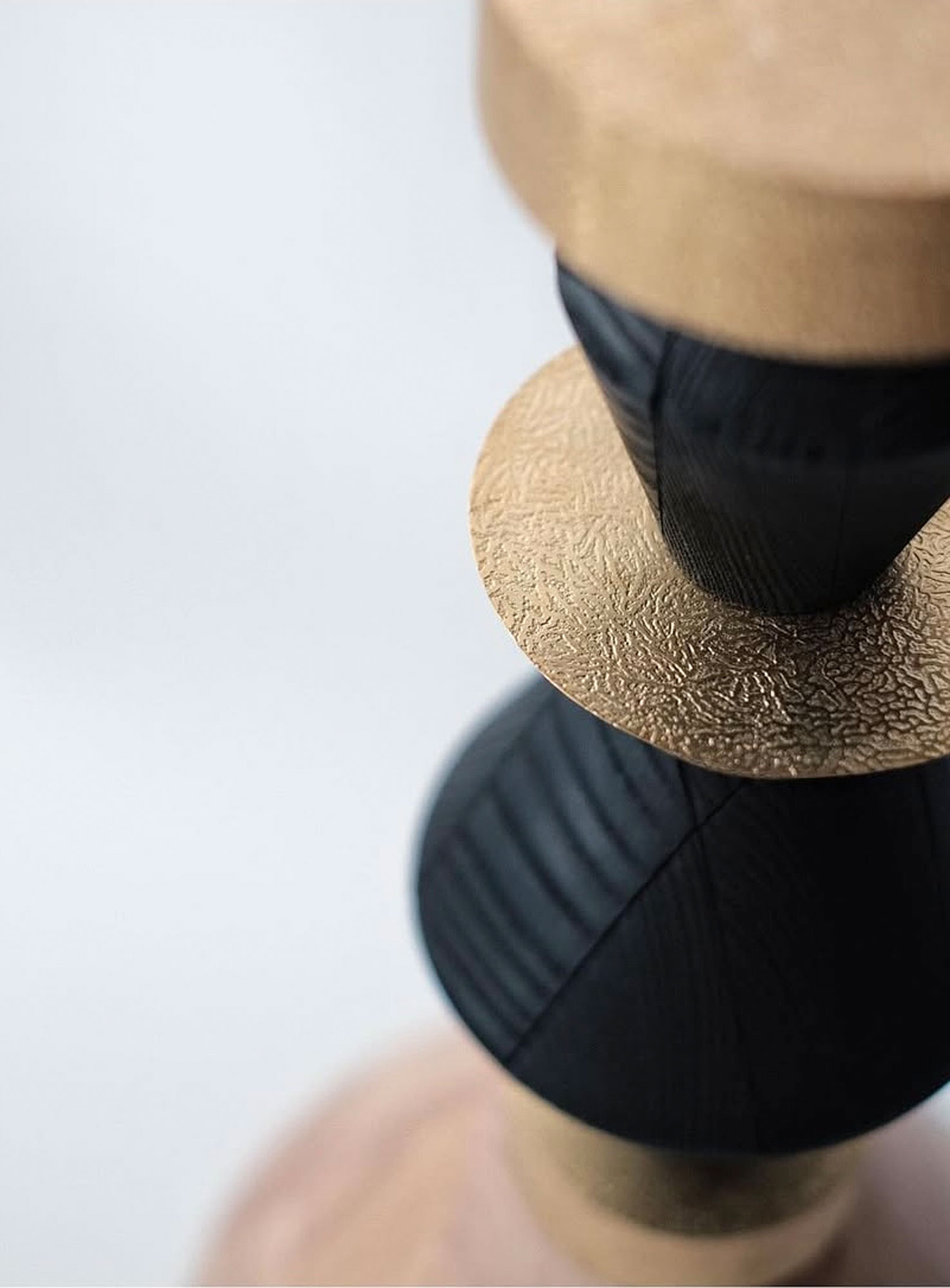
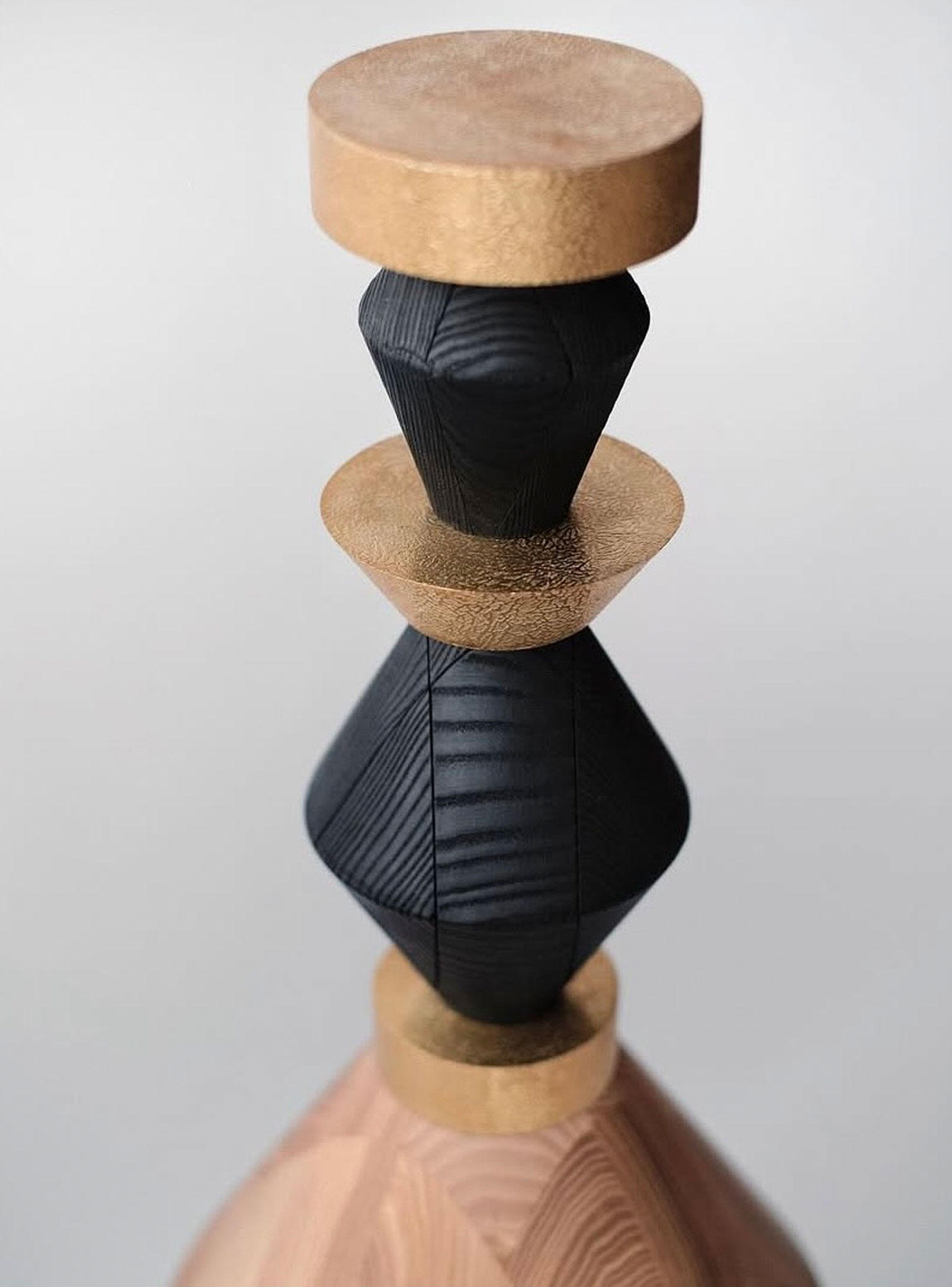
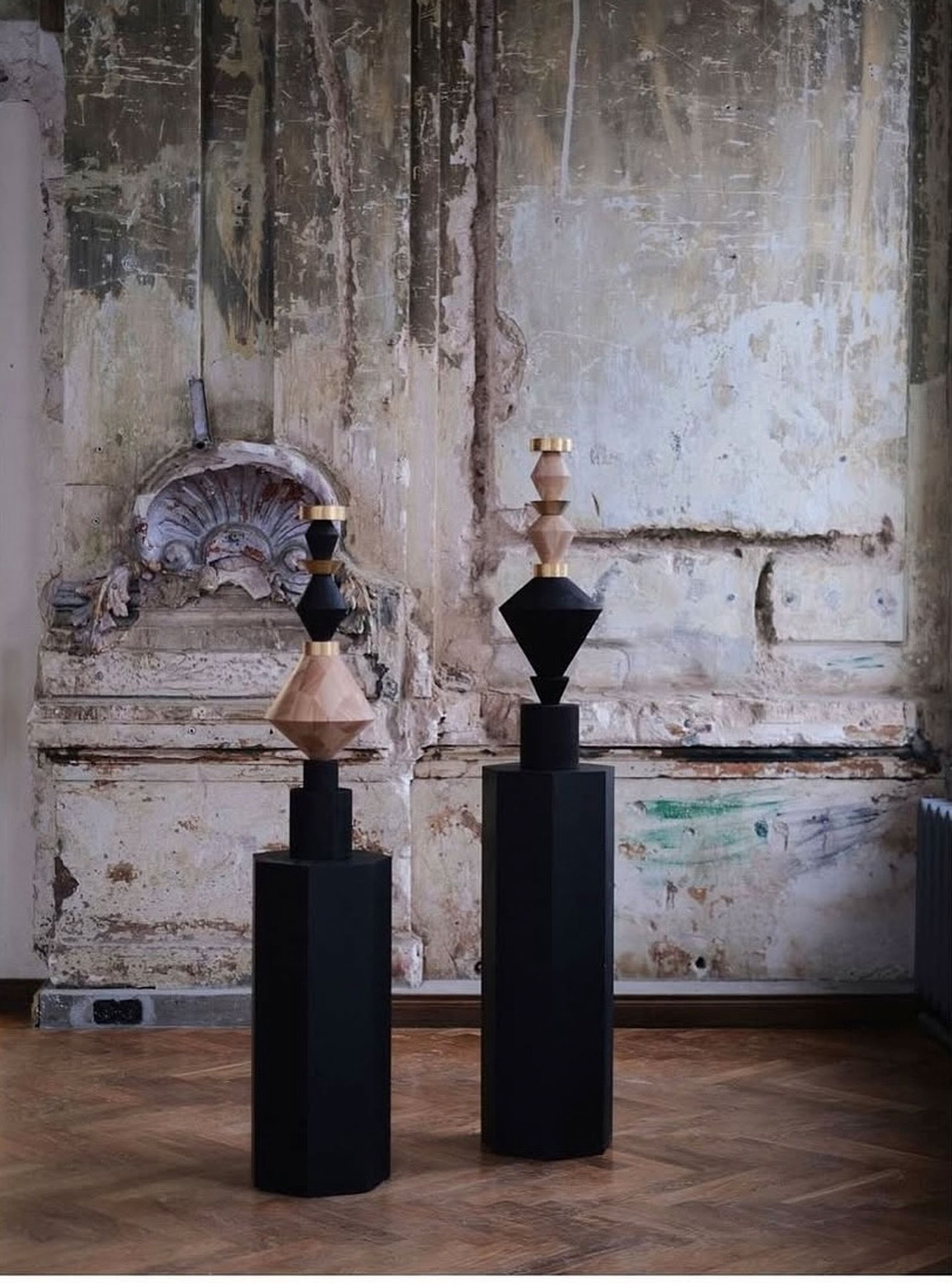
TAVA, Sculpture
Zlata KornilovaEphemerality. The passage of time. What may be fleeting is not the object (or the emotion) itself, but the attention we give to it. Windows — the eyes of a house. Transitions between life cycles. A journey through worlds that transform over time and appear different to us.
The carved figures “living” in the wood have a semi-mythical nature: lions, beregini (protective spirits), Sirin birds... each with its own visual identity, mood, and character.
The window frame becomes a temporary refuge for these images, for human emotions... faith, joy, fear… which come alive when we gaze into them —
from the inside out, and back again.
From the master’s gaze to the eyes of the beholder.
When something becomes so elusive, so spectral,
that only its shadow remains visible.
Details
Material
Ash wood, brass, oil, wood surface treated with fire using the Yakisugi technique
Dimensions
78 x 23 cm
Delivery
We deliver across the EU and UK. Shipping costs are calculated individually after your order and confirmed by our team. For other destinations, delivery may be arranged upon request.
We recommend insured shipping; NM Art & Design is not liable for transit damages without insurance.
More details in our Delivery Policy.
Have questions? Contact us
TAVA, Sculpture
Have questions? Contact us
Ephemerality. The passage of time. What may be fleeting is not the object (or the emotion) itself, but the attention we give to it. Windows — the eyes of a house. Transitions between life cycles. A journey through worlds that transform over time and appear different to us.
The carved figures “living” in the wood have a semi-mythical nature: lions, beregini (protective spirits), Sirin birds... each with its own visual identity, mood, and character.
The window frame becomes a temporary refuge for these images, for human emotions... faith, joy, fear… which come alive when we gaze into them —
from the inside out, and back again.
From the master’s gaze to the eyes of the beholder.
When something becomes so elusive, so spectral,
that only its shadow remains visible.
Details
Material
Ash wood, brass, oil, wood surface treated with fire using the Yakisugi technique
Dimensions
78 x 23 cm
About Artist
Download сatalogue
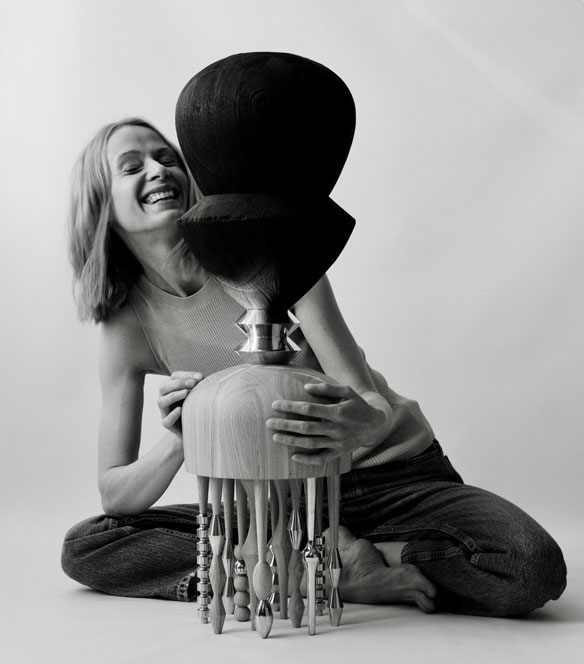
Zlata Kornilova is a contemporary artist and sculptor from Russia. In her practice, she seeks to connect with time — capturing fleeting moments and preserving them through material. Through architectural forms and the color palettes of the cities she visits, Zlata explores the seamless intertwining of present and past.
Her artistic vision is inspired by the way nature and time transform man-made objects: sun-bleached paint, darkened wood, oxidized metal. She sees nature and time as the best decorators — and believes there is always something to learn from them.
A central theme in her work is the wooden box as sculpture — what she calls a “space for the soul,” a place where personal memories and fragments of life can be preserved.
Zlata Kornilova’s sculptural practice is a meditation on memory, nature, and invisible connection. Working primarily with wood, she transforms simple forms — often boxes — into vessels of reflection, imbued with poetic symbolism. Her surfaces echo the quiet traces left by time: weathered textures, faded hues, and subtle ornamentation drawn from architecture, embroidery, and natural decay. Influenced by myth, travel, and craft traditions, Kornilova weaves stories into her sculptures like threads — both seen and unseen. Each piece becomes a contemplative space, holding the tension between what is preserved and what is passing, and inviting the viewer to pause, listen, and remember.