Artists
Marina BaiselAtelier MartisThibeau ScarcériauxSfossilsAlena MukhinaSofia KarnukaevaLumi UniNitush-ArooshIra BoykoMomoka GomiZlata KornilovaDROZHDINIAdriana MeuniéAlexandra VolskayaSee allArtists
Marina BaiselAtelier MartisThibeau ScarcériauxSfossilsAlena MukhinaSofia KarnukaevaLumi UniNitush-ArooshIra BoykoMomoka GomiZlata KornilovaDROZHDINIAdriana MeuniéAlexandra VolskayaSee allPrivacy overview
- Privacy overview
- Strictly necessary cookies
- 3rd party cookies
- Additional cookies
Privacy overview
Strictly necessary cookies
3rd party cookies
Additional cookies
Strictly Necessary Cookies
Strictly Necessary Cookie should be enabled at all times so that we can save your preferences for cookie settings.
Disable
#4
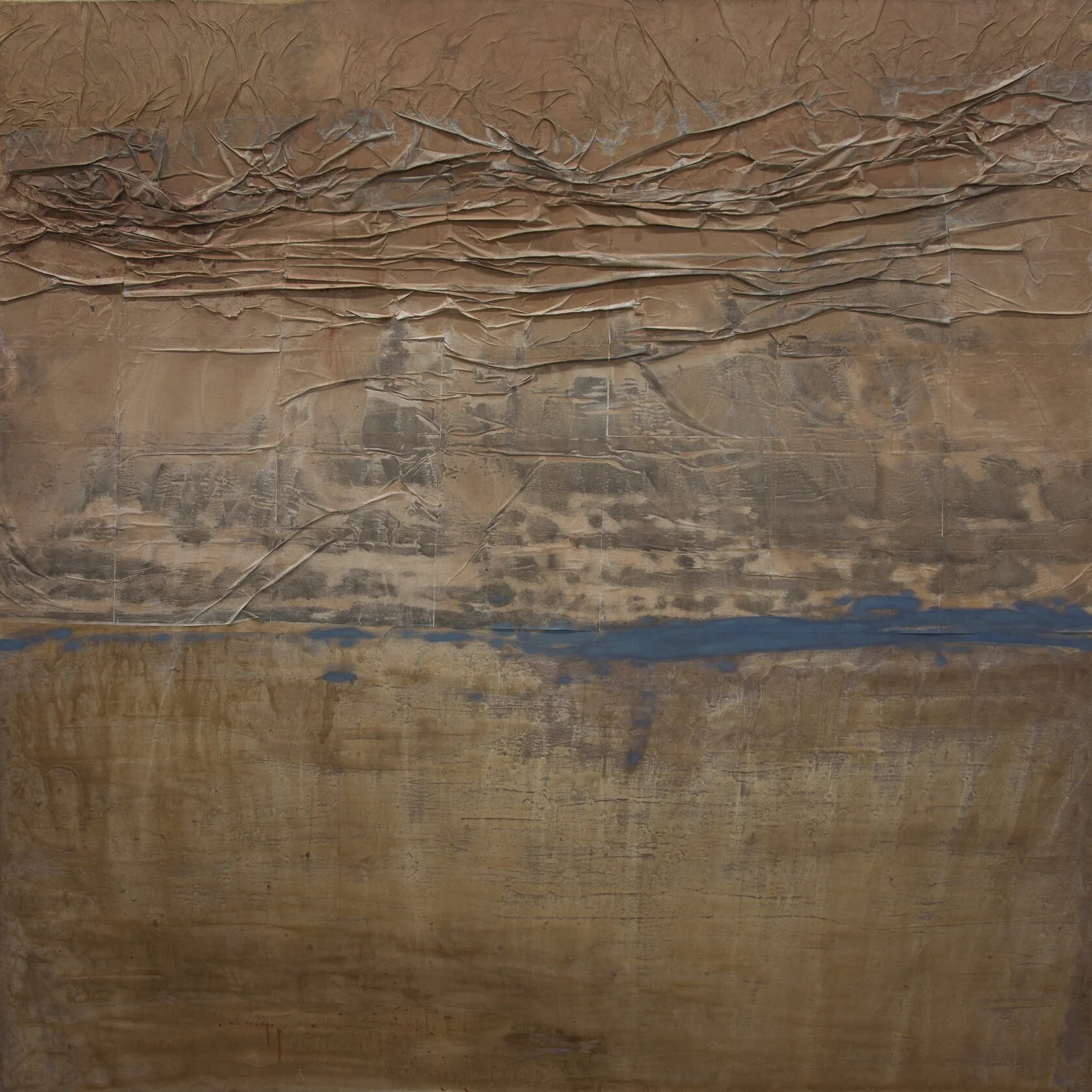
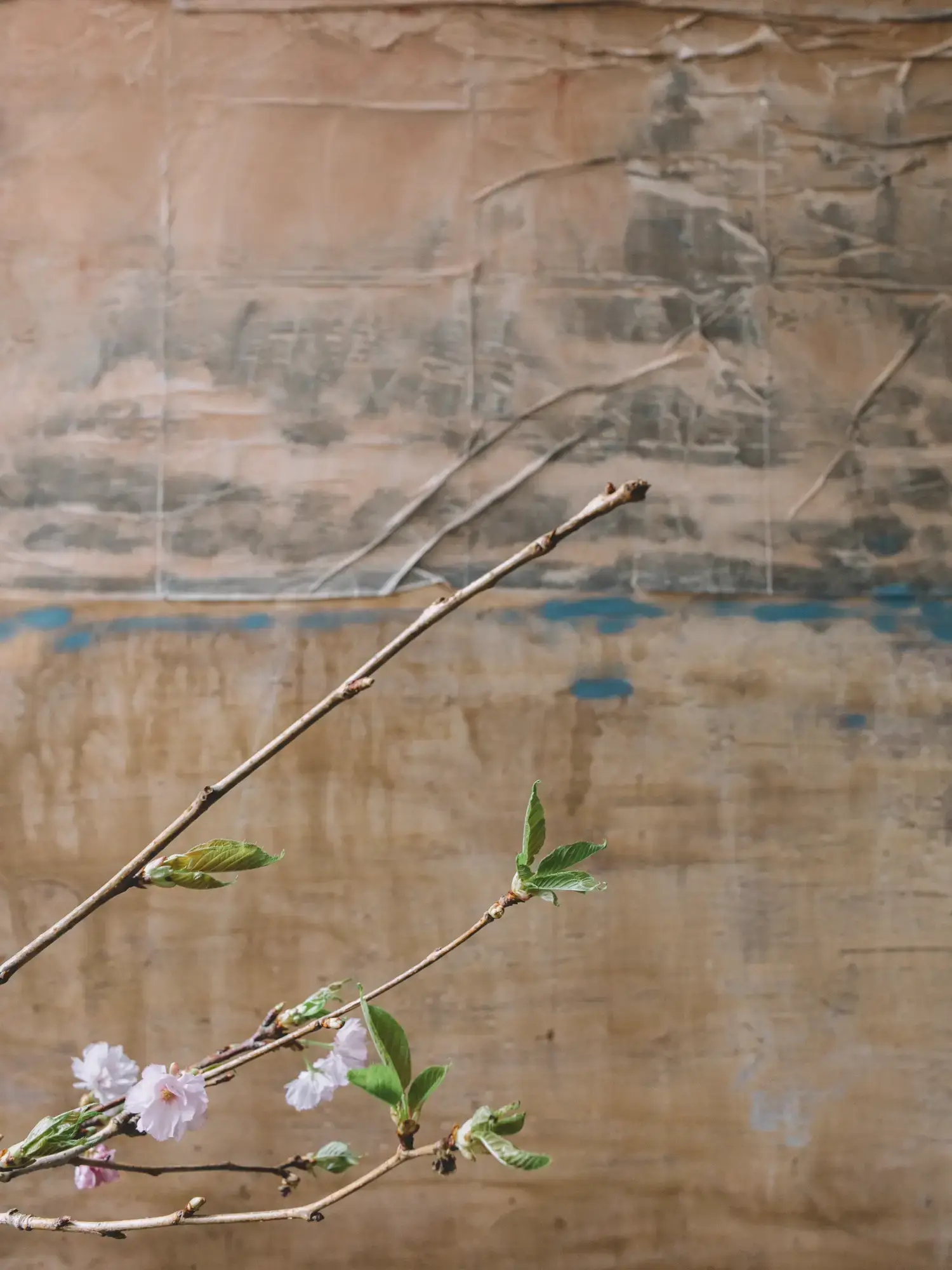
Sergey KarevA landscape structured by a single horizon line dividing sky and earth. The horizon acts as a threshold — beyond it unfolds a boundless, almost immaterial space, where flickers of color and shifting textures suggest a contemplative, transcendental state.
Details
Materials
Canvas, paper, acrylic, print
Dimensions
190 x 190 cm
Year
2023
Delivery
We deliver across the EU and UK. Shipping costs are calculated individually after your order and confirmed by our team. For other destinations, delivery may be arranged upon request.
We recommend insured shipping; NM Art & Design is not liable for transit damages without insurance.
More details in our Delivery Policy.
Have questions? Contact us
#4
Have questions? Contact us
A landscape structured by a single horizon line dividing sky and earth. The horizon acts as a threshold — beyond it unfolds a boundless, almost immaterial space, where flickers of color and shifting textures suggest a contemplative, transcendental state.
Details
Materials
Canvas, paper, acrylic, print
Dimensions
190 x 190 cm
Year
2023
About Artist
Download сatalogue
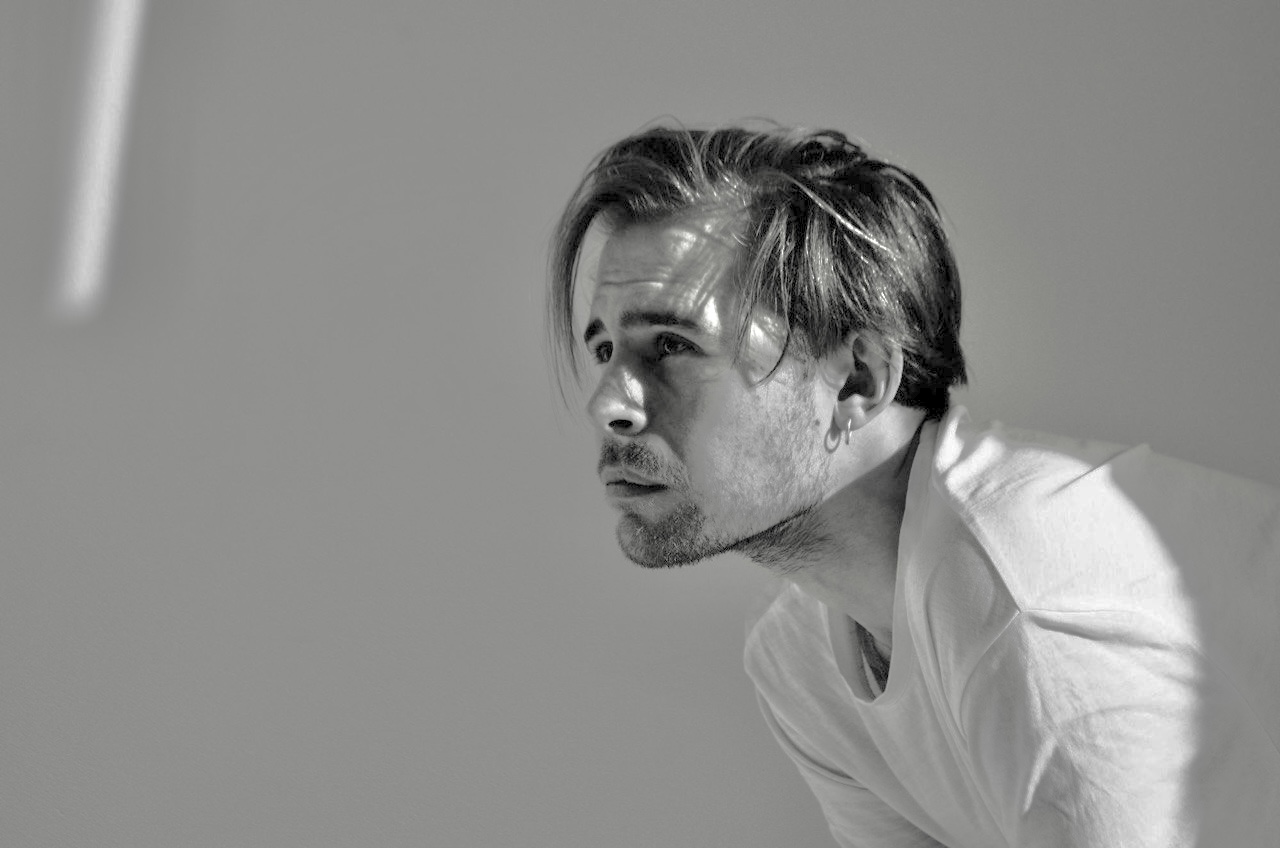
’When I create something, I try to leave my personal impressions outside the studio as much as possible. For me, it is important to detach myself from everything real, worldly, immediate, mundane, and human. In those moments, I am taken over by an entirely different being — the being of ‘Serezha The Artist,’ if one may call it that.’ – Sergey Karev
Sergey Karev’s artistic practice explores the relevance of painting as a medium for engaging with contemporary reality. Trained within the traditions of the academic school — from his studies at the Savitsky Art College in Penza to the Ilya Glazunov Russian Academy of Painting, Sculpture and Architecture, and later the Joseph Backstein Institute of Contemporary Art in Moscow — Karev brings together a rigorous technical foundation and a critical, research-driven approach to image-making.
In a number of his works, the artist turns to processes of reconstruction and repetition. He photographs his earlier paintings, fragments the images, and prints them in black and white before physically reassembling the pieces into a composite surface. Preserving distortions and imperfections, Karev reconstructs the original composition, over which he then applies a new painterly layer. This method establishes a dialogue between past and present iterations of the image, questioning authorship, memory, and the stability of visual form.
Through a nuanced engagement with the materiality of canvas and paper — and through layered applications of varying density and chromatic intensity — Karev creates large-scale works that operate as transitional spaces. These compositions invite the viewer into altered psycho-emotional states, extending beyond the limits of everyday perception.